

If your furnace needs repairs more often, costs more to run, heats your home unevenly, makes unusual noises, or has reached the later years of its expected service life, it may be time to start thinking about replacement. You do not always have to wait until the system completely stops working. In many cases, the furnace gives you warning signs first. Paying attention to those changes can help you plan a new furnace installation before an unexpected breakdown leaves your Buffalo home without dependable heat during winter.
That matters in Western New York. Buffalo winters place a heavy demand on home heating systems, and a furnace that seems “good enough” during milder weather may struggle once temperatures fall and the system has to run more often. One symptom does not automatically mean the furnace needs to be replaced. However, when several warning signs start happening together, it becomes worth asking whether another repair is the best use of your money or whether replacement offers better long-term comfort and reliability.
Vastola Heating & Cooling understands that furnace replacement is a major home decision. As lifelong Western New Yorkers, the team knows how important dependable heat is through Buffalo’s long and unpredictable winters. Vastola provides furnace repair, replacement, and installation services, so homeowners can have their current system assessed before making a decision. The goal is not simply to replace an older furnace. It is to determine whether repair still makes sense and, if not, help you consider heating options based on your comfort needs, efficiency goals, preferences, and budget.
1. Your Furnace Is Around 10 to 15 Years Old
Age is one of the first things to consider when evaluating a furnace, although it should not be the only reason you replace it. Vastola notes that many furnace systems last approximately 10 to 15 years. Once a system enters that range, homeowners should pay closer attention to how it operates, how often it needs repairs, and whether it still keeps the house comfortable. A furnace does not suddenly become unusable on its tenth or fifteenth birthday. However, an older system may begin showing more signs of wear as major components continue to age.
The important question is how furnace age relates to everything else happening in your home. For example, a 12-year-old furnace that operates consistently and has not developed major problems presents a different situation from a system of the same age that breaks down repeatedly, produces uneven heat, and has become noticeably louder. Age becomes much more meaningful when it is combined with declining performance. That is why an inspection can be useful before deciding that replacement is necessary based on age alone.
Homeowners with an older furnace should start keeping track of changes instead of waiting for a complete failure. Pay attention to how the system performed last winter compared with previous seasons. Consider whether the furnace now needs more attention just to maintain the same level of comfort.
Some useful warning signs to track include:
- More repair calls than in previous years
- Longer or more frequent furnace operation
- Rooms that are difficult to keep comfortable
- New rattling, banging, or clanking sounds
- Rising heating costs without a clear explanation
- Changes in dust, odors, or indoor air comfort
When several of these issues appear in an aging furnace, it may be time to discuss whether continuing repairs or planning replacement makes more sense.
2. Furnace Repairs Are Becoming More Frequent
One furnace repair does not necessarily mean the system is nearing the end of its useful life. Heating systems contain mechanical components that can occasionally need service. The concern begins when service visits become a regular part of each heating season. If one repair is followed by another problem a few months later, and then another issue appears the next winter, the overall repair history becomes just as important as the latest problem.
Repeated repairs can also make it difficult to feel confident about the furnace. You may get the system working again, but still find yourself wondering when the next problem will appear. That uncertainty is especially frustrating during Buffalo winters, when dependable heating is not something most homeowners want to leave to chance. At some point, it becomes reasonable to compare the cost and inconvenience of repeated repair work with the benefits of replacing the aging system.
Look at the bigger picture rather than concentrating only on the current service bill. If repairs are happening more frequently and the furnace is also older, noisy, inefficient, or inconsistent, replacement may deserve serious consideration. A professional evaluation can help determine whether the current problem is isolated or whether the equipment is showing a broader pattern of decline.
What You Are Experiencing | Repair May Still Make Sense When | Replacement Deserves More Consideration When |
Occasional furnace problem | The issue is isolated and the system otherwise performs reliably | Problems keep returning during each heating season |
Older furnace | Performance remains consistent with few repair needs | Age is combined with frequent repairs and comfort problems |
Rising operating concerns | A repair can restore normal performance | Several issues continue even after previous repairs |
Winter reliability | Breakdowns are unusual | You no longer trust the furnace to make it through winter |
Overall ownership | Service needs remain manageable | Repairs have become a recurring expense and inconvenience |
There is no universal number of repairs that automatically means replacement is required. Instead, consider how much attention the furnace now needs compared with how well it is serving your household.
3. Your Heating Bills Keep Going Up
Higher heating bills can be another sign that your furnace is no longer operating as efficiently as it once did. As equipment ages, it may need to work harder to maintain the temperature you expect. If the furnace runs more often or for longer periods, energy use can increase. However, homeowners should avoid blaming every increase in the utility bill on the furnace. Outdoor temperatures, energy rates, thermostat habits, home insulation, and household changes can all influence heating costs.
The pattern becomes more meaningful when rising bills appear alongside other furnace problems. Suppose you notice that your energy costs have increased, several rooms still feel colder than they used to, and the system runs for long stretches. That combination deserves attention. It can indicate that the furnace is using more energy without providing the same level of comfort.
Vastola discusses high-efficiency furnace options for homeowners who want to reduce energy consumption and improve heating performance. If efficiency has become a major concern, bring your recent heating experience into the consultation. Explain whether costs have changed gradually or suddenly and whether the furnace seems to be operating differently. A new furnace installation may be worth considering when the existing equipment is older, increasingly inefficient, and no longer delivering the comfort you expect.
4. Some Rooms Stay Cold While Others Get Too Warm
Uneven heating is easy to overlook because many homeowners gradually adjust to it. You may turn the thermostat higher because an upstairs bedroom feels cold, only to make the living room uncomfortable. You may close certain doors, use extra blankets, or rely on portable heaters in parts of the house. Those workarounds can become normal over time, even though the heating system should provide reasonably consistent comfort throughout the home.
When uneven temperatures become more noticeable than they were in previous years, the furnace deserves a closer look. Vastola identifies inconsistent temperatures as one of the signs that a furnace may be struggling. That does not mean every cold room calls for furnace replacement. Home comfort can be affected by more than one factor. However, recurring temperature differences combined with an older furnace, repeated repairs, or higher operating costs can strengthen the case for having the system professionally evaluated.
Pay attention to patterns rather than one chilly afternoon. Notice whether the same rooms remain uncomfortable every time temperatures drop outside. Consider whether the furnace runs for a long period without solving the problem. Also think about whether the issue has become worse compared with previous heating seasons.
Ask yourself:
- Do the same rooms remain noticeably colder than the rest of the house?
- Does raising the thermostat make other areas too warm?
- Has the temperature difference become worse over the last few winters?
- Does the furnace run frequently without making the entire home comfortable?
- Are repair problems or unusual noises happening at the same time?
If you answered yes to several of these questions, it may be worth discussing whether repair can restore consistent performance or whether replacement offers a better solution.
5. Your Furnace Makes New Banging, Clanking, or Rattling Sounds
Furnaces make some normal operating noise. You may hear the system start, notice airflow from the vents, or hear familiar mechanical sounds when the furnace cycles on and off. What deserves attention is a sound that is new, louder, or noticeably different from what you usually hear. Vastola specifically identifies banging, clanking, and rattling as warning signs that can indicate an aging furnace needs attention.
A strange sound does not tell a homeowner exactly what is wrong. That is why it should be evaluated rather than diagnosed from an online checklist. Some noise-related problems may be repairable. However, recurring or increasing noise in an older system can become one more reason to compare repair with replacement, especially if other performance issues are developing at the same time.
Noise also matters because furnace performance is about more than whether the house gets warm. A system that disrupts sleep, rattles near living areas, or makes alarming noises every time it runs can affect the way the home feels. Newer furnace options can provide quieter operation along with improved comfort and efficiency. If your existing equipment has become increasingly noisy, mention that concern when discussing replacement options with a professional.
Heating and Cooling Services Throughout Buffalo New York
Since 1946, Vastola has been a small family-owned business providing expert Heating, Cooling, Generator & Electrical Services throughout Erie, Niagara, Wyoming, Cattaraugus, and Chautauqua counties in Western New York.
6. The Furnace Breaks Down During Cold Weather More Often
A furnace that unexpectedly stops working once may simply need repair. When breakdowns begin happening repeatedly, however, the issue becomes reliability. Homeowners should not have to enter every cold stretch wondering whether the furnace will continue operating. That concern has greater importance in Buffalo because the heating system often has to work hard for long periods during winter.
Repeated breakdowns can also change the financial calculation. Each individual repair may appear manageable when viewed on its own. When you add together several service calls over a few years, however, the amount of money being put into the older furnace becomes more noticeable. You are not only paying for repair work. You are also dealing with interruptions, scheduling service, uncomfortable indoor temperatures, and uncertainty about how long the latest repair will last.
Before approving another repair, consider the full history:
- How often has the furnace needed professional attention recently?
- Have different problems appeared after previous repairs?
- Is the furnace also approaching the later years of its expected service life?
- Are you experiencing higher energy bills or uneven temperatures?
- Do you still trust the system to make it through the next Buffalo winter?
The purpose of these questions is not to discourage furnace repair. Repair may still be the better option for many systems. Instead, they help identify the point when continually fixing an aging furnace may no longer offer the value or reliability you need.
7. Your Furnace Runs More but Your Home Does Not Feel More Comfortable
A furnace that seems to run constantly without creating better comfort deserves attention. The system may cycle frequently or operate for long periods while certain rooms still feel chilly. Homeowners sometimes respond by turning the thermostat higher, but that can increase energy use without addressing the real problem. If this pattern is new or becoming worse, the furnace may be struggling to provide the heating performance it once did.
This sign becomes more important when you compare current performance with previous winters. Think about whether the furnace used to reach the desired temperature more easily. Consider whether the system now seems to spend much of the day running during cold weather. Also pay attention to whether energy bills have changed at the same time. These observations can help a technician understand how the furnace is performing under normal household conditions.
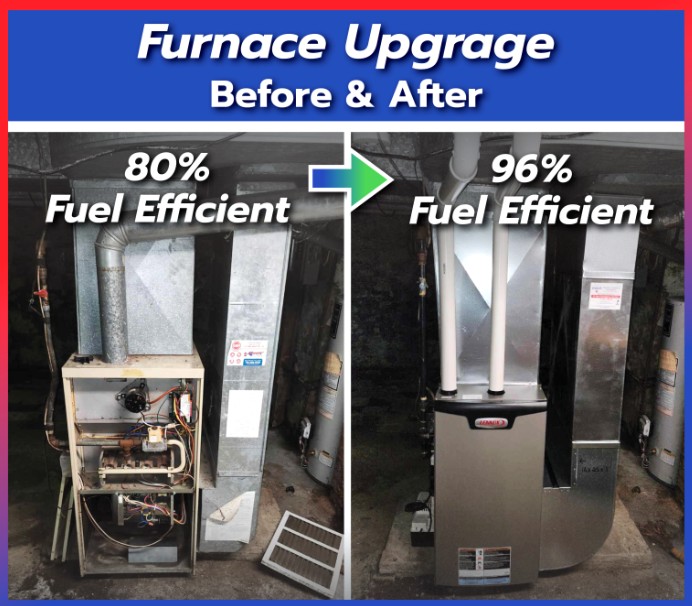
If the furnace is older and has several other warning signs, a new furnace installation may provide more consistent heat and better temperature control. Vastola notes that newer furnace models can offer improved efficiency, more consistent heating, and quieter operation. The best decision still depends on the condition of your current system, which is why an assessment should come before assuming replacement is necessary.
8. Indoor Air Quality Seems Worse During Heating Season
Homeowners usually judge a furnace by temperature, but indoor comfort also includes the quality of the air moving through the home. If you are noticing more dust, musty odors, or a general decline in indoor air comfort while the heating system is operating, the furnace may deserve attention. Vastola includes poor air quality among the possible signs that an older system is no longer performing as effectively as expected.
Indoor air concerns can have many causes, so it would be a mistake to assume the furnace is responsible for every dust or odor problem. Instead, look for a pattern. Did the issue become more noticeable as the furnace aged? Does it appear primarily when the heating system is operating? Is the change happening alongside uneven heating, recurring repair needs, or other signs of declining performance? Those details can help provide a more complete picture.
Modern furnaces can include improved filtration that helps remove more dust, allergens, and pollutants from circulating air. For homeowners already considering replacement, air quality can therefore be part of the discussion instead of focusing only on energy efficiency.
When speaking with an HVAC professional, explain:
- Whether dust has become more noticeable during heating season
- Whether unusual or musty odors appear while the furnace runs
- Whether air quality changed gradually or suddenly
- Whether family members notice certain rooms feel less comfortable
- Whether the furnace has other ongoing performance issues
The goal is to help the technician understand the entire comfort problem rather than evaluating the furnace based on temperature alone.
9. The Furnace Uses Outdated Technology Compared With Newer Options
An older furnace may still turn on and produce heat, but that does not mean it provides the efficiency, comfort, or control available from newer heating technology. Vastola notes that newer heating systems can offer improved energy efficiency and advanced features. For homeowners with aging equipment, outdated technology can become another reason to compare replacement with continued repair.
This does not mean homeowners need to replace a functioning furnace simply because newer models exist. Replacement makes more sense when outdated technology is part of a larger problem. For example, the furnace may be old, inefficient, loud, and difficult to rely on. In that situation, putting more money into maintaining older equipment may become less appealing, especially if the homeowner plans to remain in the property for years.
A replacement consultation is also an opportunity to talk about what you actually want to improve. Some homeowners are most interested in reducing energy use. Others want quieter operation or more consistent room temperatures. Vastola’s Sales Consultants can discuss available heating technology based on the customer’s priorities, budget, and comfort goals instead of assuming every homeowner needs the same solution.
10. You Are Worried the Furnace Will Not Make It Through Another Buffalo Winter
Sometimes the strongest warning sign is the overall lack of confidence you have in the system. Perhaps the furnace still works today, but it has needed several repairs. Maybe you remember a breakdown during a freezing night last winter. The equipment might make unfamiliar noises, struggle with certain rooms, or seem to run far more than it once did. Individually, each issue may appear manageable. Together, they can leave you wondering whether the system will make it through another heating season.
That concern is worth addressing before colder weather arrives. Waiting for the furnace to fail completely can put you in a position where restoring heat becomes the only priority. You may have less time to discuss equipment choices, think about efficiency, compare comfort goals, or plan financially. Acting earlier gives you an opportunity to make the decision under less pressure.
For Buffalo homeowners, timing can make a meaningful difference.
Timing | What to Consider | Why It Matters |
Before heating season | Review last winter’s furnace problems | You have time to evaluate the system before daily heating demand increases |
Early fall | Schedule an inspection if the system showed warning signs | Problems can be identified before severe cold arrives |
During mild winter weather | Pay attention to unusual performance changes | Early signs may become more serious during heavier furnace use |
After repeated repairs | Compare repair history with replacement options | Frequent service may indicate a broader decline |
Before complete failure | Discuss equipment, comfort, and efficiency goals | You can make a more planned decision rather than an emergency choice |
If you are already questioning whether the furnace can be trusted through another winter, it may be the right time to have it professionally evaluated. Planning a new furnace installation before failure gives you more time to choose an option that fits the home rather than making the entire decision during an emergency.
How to Decide Whether Furnace Repair or Replacement Makes More Sense
The decision between repairing and replacing a furnace should come from the overall condition of the system. Avoid making the decision based on one symptom alone. A relatively minor repair on an otherwise dependable system may be completely reasonable. On the other hand, continuing to repair an aging furnace that has several recurring problems may offer less value over time.
Start by reviewing what has happened over the last few heating seasons. Think about the age of the equipment, how frequently it needs repair, whether energy bills have changed, and whether indoor comfort has declined. Then consider whether those problems are isolated or connected. An older furnace with frequent breakdowns, uneven heat, loud operation, and increasing energy use presents a much stronger case for replacement than a furnace experiencing one repairable issue.
A useful step-by-step approach is:
- Review the age of the furnace. Determine whether it is approaching or beyond the 10-to-15-year range Vastola identifies.
- Look at repair history. Consider how often professional service has been needed recently.
- Evaluate comfort. Think about uneven rooms, long run times, and thermostat adjustments.
- Review energy use. Look for meaningful changes rather than one unusually high bill.
- Listen for new sounds. Banging, clanking, or rattling deserves professional attention.
- Consider reliability. Ask whether you trust the system to operate through another Buffalo winter.
- Schedule an assessment. Have a professional evaluate the equipment before deciding.
Homeowners exploring Furnace Installation Services in Buffalo NY can use the consultation to discuss whether another repair is reasonable or whether replacement better fits their long-term needs.
Why Replacing a Furnace Before It Completely Fails Can Be Helpful
The biggest advantage of replacing a declining furnace before it stops working is having time to make a thoughtful decision. When the house still has heat, you can focus on what you want from the next system instead of concentrating only on getting the heat back on. That makes it easier to discuss efficiency, temperature consistency, quieter operation, filtration, and budget without the pressure of an emergency.
Vastola notes several potential advantages of upgrading an aging furnace. Newer models can improve energy efficiency, provide more consistent heat, support better temperature control, operate more quietly, and offer improved filtration. Replacement may also reduce the repair burden that can come with older equipment. Those benefits will matter differently from one household to another, so homeowners should focus on the improvements most relevant to their situation.
For example, someone dealing with cold bedrooms may place temperature consistency at the top of the list. A homeowner whose furnace repeatedly breaks down may care more about dependable operation. Another household may be particularly concerned about energy consumption. A planned new furnace installation allows those priorities to become part of the decision before the current system forces your hand.
What Should You Ask Before Choosing a Replacement Furnace?
You do not need to become an HVAC expert before speaking with a furnace professional. However, asking practical questions can help you understand why a particular option is being recommended. Rather than asking only which furnace is “best,” focus on how the suggested equipment relates to the needs of your home.
Useful questions include:
- Does the condition of my current furnace justify replacement now?
- What problems could another repair reasonably solve?
- Which furnace options fit my budget and heating priorities?
- What choices are available if energy efficiency matters to me?
- How could the replacement improve temperature consistency?
- Are quieter heating options available?
- What should I consider if indoor air quality is one of my concerns?
- Is this furnace suitable for the way my home needs to be heated?
These questions can help turn a furnace consultation into a practical decision-making conversation. Vastola’s Sales Consultants personalize recommendations based on preferences, budget, and heating needs, which allows homeowners to discuss the factors that matter most rather than simply choosing equipment from a list.
Why Furnace Timing Matters in Buffalo, NY
Buffalo homeowners depend heavily on their furnaces once winter settles in. That makes early planning especially useful when the equipment has already shown signs of decline. A system that struggled at the end of last winter should not automatically be assumed to be ready for another full season simply because it operated through spring and summer without being used.
Scheduling an evaluation before severe cold arrives can help identify whether the furnace needs repair or whether replacement should be considered. It can also give you time to think through the decision instead of waiting for a breakdown. If the system is older and already showing several warning signs, there is little benefit in ignoring them until outdoor temperatures make the situation more urgent.
Vastola Heating & Cooling also provides 24/7 emergency service when heating problems cannot wait. Still, homeowners who already know their furnace is unreliable may prefer to avoid reaching that point. Planning ahead can make a major home heating decision feel much more manageable.
Should You Replace Your Furnace Now or Keep Using It?
There is no single warning sign that means every furnace needs immediate replacement. The better approach is to look at how many signs are appearing together. A 12-year-old furnace that continues to provide consistent heat and needs little service may still have useful life remaining. A furnace of the same age that breaks down repeatedly, operates loudly, creates uneven temperatures, and costs more to run presents a very different situation.
Consider whether the current furnace is still meeting the basic expectations you have for a heating system. It should provide dependable heat, maintain reasonable comfort, and operate without becoming a recurring source of repair calls and worry. If several of those expectations are no longer being met, it is worth discussing replacement even if the furnace technically still runs.
Homeowners considering Furnace Installation Services can have their existing system evaluated and discuss options that reflect their budget, efficiency goals, and comfort priorities. The purpose of that conversation should be to determine the most sensible next step, not to replace equipment unnecessarily.
Know the Signs Before Your Furnace Leaves You in the Cold
Most furnaces do not go from perfect operation to complete failure without giving homeowners some clues along the way. The signs can be subtle at first. A repair here, a higher bill there, or a room that never feels quite warm enough may not seem urgent. Over time, however, those issues can begin to form a pattern. Age, frequent repair needs, uneven temperatures, unusual noises, longer run times, worsening air quality, and recurring breakdowns all deserve attention when they begin happening together.
Recognizing these warning signs early gives you more control. You can schedule an inspection, understand what is happening with the current system, and decide whether repair or replacement makes more sense before you are dealing with a no-heat emergency. For Buffalo homeowners, that preparation can be especially valuable because reliable heating becomes essential once winter temperatures arrive.
Vastola Heating & Cooling provides furnace repair, replacement, installation, personalized heating recommendations, and 24/7 emergency service for homeowners who need dependable help with their heating systems. If your furnace is showing several of these 10 warning signs, a professional inspection can help you determine whether another repair is reasonable or whether a new furnace installation is the better next step for your home. Schedule an appointment with Vastola Heating & Cooling today and get ahead of furnace problems before the next Buffalo cold spell.