

Buffalo homeowners can reduce winter heating costs without making their homes uncomfortable by focusing on heat loss, thermostat strategy, airflow, equipment condition, insulation, routine maintenance, and everyday heating habits. The goal is not simply to turn the thermostat down and tolerate colder rooms. Instead, homeowners should help their heating system deliver warmth more efficiently and prevent heated air from escaping unnecessarily. Small steps such as checking the furnace filter and keeping vents open can help, while larger improvements such as air sealing, insulation, zoning, or equipment upgrades may provide stronger long-term results. The right combination depends on the home, its heating system, its age, and how the household uses each room.
This matters particularly in Buffalo, NY, where heating systems operate for a significant part of the year. National Weather Service heating-degree-day data shows how substantial the region’s annual heating demand can be, with recent Buffalo seasons accumulating thousands of heating degree days. During a long heating season, small inefficiencies can continue day after day. Drafts, restricted airflow, poor thermostat habits, aging equipment, and uneven heat distribution may all increase the amount of energy needed to maintain a comfortable indoor temperature. As a result, homeowners often get better results by improving the entire home comfort system instead of relying on one quick fix.
Vastola Heating & Cooling helps homeowners throughout Greater Buffalo understand how their heating systems interact with the rest of the home. A heating problem is not always caused by the furnace or boiler alone. Insulation, ductwork, thermostat controls, radiator performance, air leakage, equipment sizing, and maintenance can all affect comfort and operating costs. Through professional Heating & Cooling Services of Greater Buffalo NY, homeowners can evaluate these factors together and make improvements based on the actual condition of their home rather than relying on generic winter energy advice.
Why Winter Heating Costs Can Rise So Quickly in Buffalo
Winter heating expenses depend on much more than the temperature shown on the thermostat. The amount of energy a home needs changes according to outdoor conditions, insulation quality, building size, air leakage, heating-system efficiency, household routines, and the difference between indoor and outdoor temperatures. When Buffalo experiences sustained cold weather, the heating system has to replace heat that continuously moves out of the building. The greater the heat loss, the longer or more frequently the system must operate to maintain the desired indoor temperature.
Wind can also make weaknesses in the building envelope more noticeable. Air can enter around windows, doors, attic openings, recessed fixtures, plumbing penetrations, and other gaps. Meanwhile, heated indoor air can escape through poorly insulated walls, attics, and other surfaces. Although homeowners often blame the heating equipment when rooms feel cold, the equipment may simply be trying to compensate for heat escaping faster than expected. That is why reducing heating costs often starts with understanding where the home loses heat.
System condition matters as well. A well-maintained furnace or boiler can still use more energy than necessary if airflow is restricted, controls are poorly adjusted, or distribution problems keep certain rooms from receiving enough heat. ENERGY STAR notes that nearly half of the energy used in a typical home can go toward heating and cooling, which makes HVAC efficiency an important part of overall household energy use. Consequently, even modest improvements to system operation or heat retention may have value when they are repeated throughout a Buffalo heating season.
Homeowners should pay attention to warning signs that suggest the house or heating system is working harder than necessary:
- Rooms take a very long time to reach the thermostat setting.
- Some areas stay cold while others become too warm.
- The heating system runs for unusually long periods.
- Energy use rises without a clear change in household habits.
- Cold drafts are noticeable near doors, windows, or exterior walls.
- The furnace filter becomes dirty quickly or airflow feels weak.
- The thermostat requires frequent adjustments to maintain comfort.
None of these signs proves that a single component has failed. However, they give homeowners useful clues about where to begin investigating.
How to Use Your Thermostat Without Sacrificing Comfort
A thermostat should support the household’s routine rather than create large temperature swings that make the home uncomfortable. Many homeowners assume that lowering the temperature dramatically whenever they leave or sleep will always produce the greatest savings. In reality, the best strategy depends on the heating system, the building, the amount of time the home is unoccupied, and how quickly the property recovers after a setback.
A moderate setback can make sense when the home will be empty for several hours. However, repeatedly making extreme changes can create comfort problems, especially in a poorly insulated house or a home with a heating system that responds slowly. A hydronic or radiant system, for example, may behave differently from a forced-air furnace because the building materials and heating surfaces store heat. If the thermostat is lowered too far, the system may need a long recovery period before occupants feel comfortable again.
Homeowners should also avoid constantly raising the thermostat because the home feels slow to warm. Setting the thermostat several degrees higher than the desired temperature usually does not make a conventional furnace heat the house faster. Instead, it may simply cause the system to continue heating longer and overshoot the temperature the household originally wanted. A better approach is to determine why recovery is slow. Possible causes include air leakage, restricted airflow, insufficient insulation, equipment condition, or an aggressive nighttime setback.
A practical thermostat strategy may include:
- Choose a comfortable occupied temperature and keep it reasonably consistent.
- Use modest setbacks when the home will be empty for several hours.
- Avoid repeatedly changing the setting throughout the day.
- Program changes around actual household routines rather than generic schedules.
- Allow enough recovery time before family members wake up or return home.
For homeowners trying to reduce winter heating costs, thermostat changes should be part of a broader strategy. The thermostat controls when the heating system operates, but it cannot correct major heat loss, poor airflow, or equipment problems by itself.
Stop Paying to Heat Air That Escapes From the House
One of the most effective ways to improve winter comfort is to keep heated air inside the home. Air sealing and insulation address a different problem than heating-system maintenance. The furnace or boiler creates heat, while the building envelope determines how quickly that heat escapes. If the envelope performs poorly, even an efficient heating system may run frequently.
Common leakage points include exterior doors, windows, attic access points, penetrations for wiring and plumbing, fireplaces, rim joists, and gaps around unfinished areas. Some small leaks can be addressed with weatherstripping or appropriate caulking, while more significant problems may require a professional energy assessment or insulation work. ENERGY STAR includes sealing air leaks with weatherstripping and caulking among practical efficiency measures.
Insulation also helps slow heat movement through the building. Attics are especially important because warm indoor air tends to rise, and insufficient insulation above living spaces can contribute to heat loss. Walls, basement areas, crawlspaces, and rim joists may also influence winter comfort. However, adding insulation without first considering air leakage may not solve every problem. The best approach considers both insulation levels and unwanted air movement.
Cost-Saving Measures to Consider
Improvement | Typical Effort | Comfort Impact | Cost-Saving Potential | Best Use Case |
Check or replace furnace filter | Low | Moderate | Low to moderate | Homes with forced-air heating |
Adjust thermostat schedule | Low | Moderate | Low to moderate | Homes with predictable occupancy |
Keep vents and returns unobstructed | Low | Moderate | Low | Rooms with weak airflow |
Weatherstrip doors and accessible gaps | Low | Moderate | Moderate | Drafty homes |
Professional HVAC maintenance | Moderate | Moderate to high | Moderate | Systems with heavy seasonal use |
Improve attic or wall insulation | Moderate to high | High | Moderate to high | Homes with significant heat loss |
Air sealing | Moderate | High | Moderate to high | Older or drafty Buffalo homes |
Add zoning where appropriate | Moderate to high | High | Depends on usage | Homes with uneven comfort needs |
Replace inefficient aging equipment | High | High | Depends on system condition | Homes approaching major equipment replacement |
The table should be viewed as a decision guide rather than a guarantee of savings. A low-cost measure may deliver excellent results in one home and very little improvement in another. For example, adding insulation may provide substantial value in a poorly insulated attic, while the same investment may offer a smaller return in a home that already has adequate insulation. Therefore, homeowners should identify the actual cause of high heating demand before committing to larger upgrades.
Keep Airflow Working With Your Heating System, Not Against It
Forced-air heating systems depend on consistent airflow. The furnace may be producing heat correctly, but that heat still needs to travel through the duct system and reach occupied spaces. Restricted airflow can reduce comfort and may cause the heating system to work harder than necessary. One of the simplest places to start is the air filter.
ENERGY STAR recommends checking HVAC filters monthly during periods of heavy use and replacing a dirty filter when necessary. At minimum, it recommends replacement approximately every three months, although actual timing depends on the home and filter type. Buffalo homeowners should pay particular attention during winter because heating equipment may operate frequently for extended periods.
A filter can become dirty faster in homes with pets, remodeling dust, high occupancy, or continuous fan operation. However, homeowners should not automatically choose the thickest or highest-rated filter available. A filter that creates excessive resistance may reduce airflow if the heating system was not designed for it. The correct filter should balance filtration with the airflow requirements of the equipment.
Homeowners can also improve airflow by checking the areas around supply registers and return vents. Furniture, rugs, boxes, curtains, or other objects should not block air movement. Closing large numbers of supply vents to save energy can also create unintended airflow problems. Instead, the system should distribute air in the way it was designed to operate.
Useful homeowner checks include:
- Inspect the filter regularly during peak heating months.
- Replace visibly dirty filters using the correct size and type.
- Keep supply registers open unless a qualified technician recommends otherwise.
- Keep return grilles clear of furniture and household items.
- Watch for rooms where airflow is consistently weaker than elsewhere.
- Note unusual whistling noises that may indicate restricted airflow.
- Arrange professional evaluation if airflow remains weak after basic checks.
Regular maintenance can also help identify problems that homeowners cannot see. ENERGY STAR recommends annual heating and cooling equipment tune-ups to support efficiency and comfort.
Use Zoning and Room-by-Room Strategies Carefully
Many Buffalo homes do not heat evenly. Multi-story houses may have significant temperature differences between floors. Older additions may have different insulation levels from the original structure. Finished basements can behave differently from upper floors. Large windows and changing sun exposure can also create varying comfort needs throughout the day.
Zoned heating can help in the right situation because it allows separate areas to receive different amounts of heat. However, zoning is not a universal fix. If the underlying problem is poor insulation, damaged ductwork, incorrect equipment sizing, or severe air leakage, adding controls alone may not solve it. The home needs to be evaluated as a complete system.
Simple room-level changes can also help before homeowners consider major modifications. Keeping interior doors positioned appropriately, avoiding blocked vents, using window coverings strategically, and addressing drafts may improve comfort. However, homeowners should avoid using portable space heaters as the primary solution for rooms that remain consistently cold. A persistent cold room may indicate a distribution or building-envelope problem that deserves further investigation.
Zoning may be especially useful when:
- Different floors have consistently different temperatures.
- Some parts of the home are rarely occupied.
- Household members prefer different sleeping and living temperatures.
- Large additions have different heating characteristics from the original house.
- Sun exposure creates predictable warm and cool zones.
- The existing heating system can support properly designed zone controls.
The key is matching the solution to the reason the temperature differences exist. Properly designed zoning can improve comfort, but unnecessary or poorly configured zoning may add complexity without resolving the underlying issue.
How to Prioritize Heating Improvements Step by Step
Homeowners can waste money when they replace components before identifying why the home uses so much heat. A better approach starts with inexpensive observations and moves toward larger investments only when the evidence supports them.
Step 1: Review recent comfort patterns. Think about which rooms feel cold, when the heating system runs longest, whether recovery after thermostat setbacks takes too long, and whether there are noticeable drafts. These patterns help identify whether the problem seems related to the whole home or only certain areas.
Step 2: Check basic maintenance items. Inspect the furnace filter, confirm that supply and return vents are clear, and look at thermostat settings. Homeowners using boilers can note whether certain radiators or baseboards remain cooler than others. These observations provide valuable information without requiring technical work.
Step 3: Look for obvious heat-loss areas. Check doors, windows, attic access points, basement areas, and exterior-wall penetrations for drafts. If a home feels significantly colder near exterior surfaces, insulation or air sealing may deserve attention.
Step 4: Compare energy use over time. A single expensive bill does not necessarily indicate a system problem because weather and utility rates can change. Instead, look for patterns across similar winter periods. A persistent rise in energy consumption may justify further investigation.
Step 5: Have the heating system professionally evaluated. If basic measures do not explain the problem, professional testing can help identify airflow issues, control problems, equipment wear, boiler concerns, or other factors that homeowners cannot safely diagnose themselves.
Step 6: Prioritize improvements by cause, not price alone. The cheapest project is not always the best value, and the most expensive upgrade is not always necessary. A targeted repair, air-sealing project, thermostat adjustment, insulation improvement, or maintenance visit may provide more value than replacing equipment that still performs well.
This process helps homeowners reduce winter heating costs while avoiding unnecessary upgrades.
Heating and Cooling Services Throughout Buffalo New York
Since 1946, Vastola has been a small family-owned business providing expert Heating, Cooling, Generator & Electrical Services throughout Erie, Niagara, Wyoming, Cattaraugus, and Chautauqua counties in Western New York.
Understand When an Older Heating System Becomes Part of the Problem
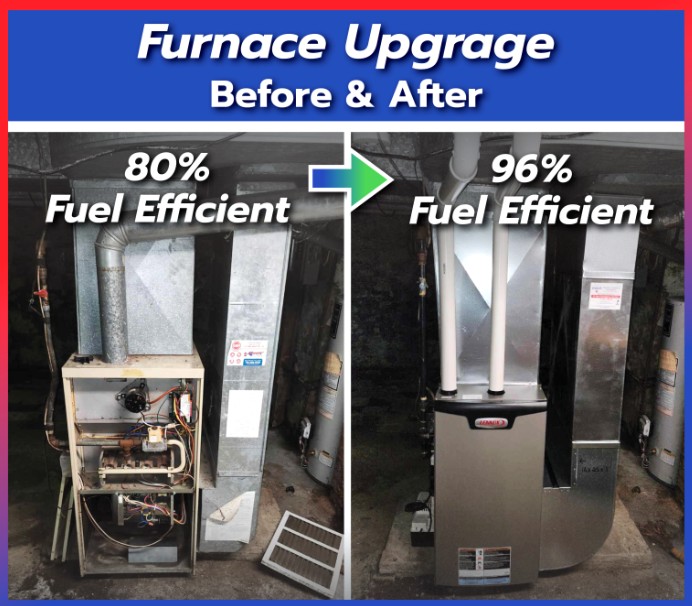
Heating equipment does not have to be brand new to operate effectively. A properly maintained older furnace or boiler may continue to provide dependable service. However, age can gradually affect efficiency, reliability, repair frequency, and comfort. The decision to keep or replace equipment should consider its actual condition rather than age alone.
An older system may deserve closer evaluation when repair needs become frequent, temperatures remain inconsistent, unusual noises appear, energy use continues rising, or replacement parts become harder to obtain. Equipment that was installed incorrectly or sized poorly may also create problems long before reaching the end of its expected service life. Conversely, a well-maintained system that heats the home evenly and operates safely may not require immediate replacement simply because it has reached a certain age.
Homeowners should also consider future plans. Someone planning to remain in the home for many years may place greater value on efficiency, comfort, quieter operation, or modern control features. A homeowner preparing to renovate may want to coordinate heating improvements with insulation, electrical, or layout changes. Therefore, replacement decisions should fit the home’s overall plan rather than being made in isolation.
Repair, Improve, or Replace?
Situation | Maintenance or Repair May Make Sense | Home Improvement May Make Sense | Equipment Replacement May Be Worth Evaluating |
Dirty filter or minor airflow issue | Yes | Usually not necessary | Usually not necessary |
Drafty rooms with otherwise reliable heat | Possibly | Air sealing or insulation may help | Not automatically |
Uneven temperatures | Possibly | Duct, insulation, or zoning work may help | Depends on equipment |
Frequent breakdowns | Short-term option | May not solve root issue | Often worth evaluating |
Rising operating costs | Maintenance should be checked | Envelope improvements may help | Efficiency should be evaluated |
Very old equipment with recurring problems | Repairs may provide limited value | Supporting improvements can still help | Strong reason to compare options |
Major renovation underway | Maintenance may still help | Strong opportunity for envelope upgrades | Good time to review equipment strategy |
A professional assessment should look at equipment condition, home heat loss, distribution, controls, and homeowner priorities together. This avoids the common mistake of replacing heating equipment when the biggest problem is somewhere else in the home.
Everyday Habits That Can Support Lower Heating Costs
Large upgrades receive most of the attention, but daily habits also influence winter energy use. Households often create unnecessary heating demand without realizing it. Frequently changing thermostat settings, leaving exterior doors open, blocking vents with furniture, or heating unused spaces to the same level as frequently occupied rooms can increase system runtime.
Window coverings can help manage comfort as well. During sunny winter periods, opening curtains on sun-facing windows can allow some solar warmth into the home. Closing them after sunset may help reduce discomfort near cold glass. However, window treatments should not block supply vents or interfere with radiators and baseboards.
Homeowners should also remember that moisture and comfort perception are related. Very dry indoor air may make occupants feel cooler at the same thermostat setting. However, humidity should be managed carefully because excessive indoor moisture can lead to condensation on cold surfaces. The appropriate humidity level depends on outdoor conditions and the home itself.
Several low-effort habits can support a more efficient heating strategy:
- Avoid extreme thermostat changes throughout the day.
- Close exterior doors promptly.
- Keep radiators, baseboards, registers, and return vents unobstructed.
- Use sunlight strategically during daytime hours.
- Close window coverings when they improve nighttime comfort.
- Pay attention to drafts instead of simply increasing the thermostat.
- Report unusual heating-system behavior before it becomes a major winter problem.
Individually, these habits may seem minor. Together, they help the heating system maintain comfort with less unnecessary work.
Why Buffalo Homes Need a Local Heating Strategy
Generic energy-saving advice does not always reflect the realities of Western New York. Buffalo experiences a sustained heating season, periods of strong wind, freezing temperatures, snow, and changing winter conditions. Recent National Weather Service data continues to show substantial winter heating-degree-day totals for Buffalo, illustrating the amount of seasonal heating demand local homes face. The local housing stock also varies widely. Some Buffalo-area homes use forced-air furnaces, while others rely on boilers, radiators, baseboard systems, radiant heat, or combinations of different equipment. Older houses may have been renovated several times, resulting in additions, updated windows, partial insulation improvements, or heating zones that behave differently from the original structure.
Because of those differences, the best way to reduce winter heating costs is not always the same from one property to another. A newer, well-insulated home may benefit most from control optimization and routine maintenance. An older drafty property may achieve more meaningful improvement through air sealing and insulation. Another home may have efficient insulation but an aging heating system that no longer performs consistently.
That is why local experience matters. A technician familiar with Buffalo-area housing and winter conditions can evaluate how the heating equipment, controls, distribution system, and building itself interact.
When Professional Heating Service Can Help
Homeowners can handle many basic efficiency steps themselves, including checking filters, adjusting thermostat schedules, keeping vents clear, identifying obvious drafts, and monitoring comfort patterns. However, professional support becomes valuable when heating costs rise without explanation, rooms remain persistently cold, the furnace cycles abnormally, boiler performance becomes inconsistent, or the system struggles to maintain the desired temperature.
Professional maintenance can identify problems that are difficult for homeowners to detect safely. Depending on the system, this may include airflow restrictions, worn components, control issues, combustion concerns, distribution problems, boiler conditions, or other performance issues. A technician can also help determine whether the heating equipment is truly responsible for high costs or whether the larger problem lies with heat loss, ductwork, or another part of the home.
Vastola Heating & Cooling provides Heating & Cooling Services in Buffalo NY for homeowners who want to improve comfort, address heating problems, maintain existing systems, or evaluate future upgrades.
Reduce Winter Heating Costs Without Giving Up a Comfortable Home
Lower heating expenses should not require spending the entire Buffalo winter in an uncomfortable house. The most effective strategy is to reduce wasted heat while helping the heating system operate the way it was designed to work. Thermostat adjustments can help, but they work best alongside good airflow, routine maintenance, proper insulation, air sealing, and a heating system that matches the home’s needs.
Start with simple changes. Check the filter, clear vents, review thermostat settings, identify drafts, and pay attention to room-to-room temperature differences. Then consider whether insulation, air sealing, zoning, maintenance, repairs, or equipment improvements could address the underlying causes of high energy use. This layered approach can reduce winter heating costs while protecting the comfort that matters during Buffalo’s coldest months.
Vastola Heating & Cooling can help homeowners determine where their heating system is performing well, where efficiency may be lost, and which improvements make sense for the home. Whether the solution involves routine maintenance, troubleshooting an existing system, improving heating control, or evaluating an aging furnace or boiler, professional guidance can help homeowners make decisions based on real conditions rather than guesswork.
Want a more comfortable and efficient home this winter? Contact Vastola Heating & Cooling to discuss your heating needs and explore practical ways to reduce winter heating costs throughout the Buffalo, NY heating season.