

Home » Whole Home Green Energy » Whole Home Green Solutions
Whole Home Green Solutions
If you’re seeking environmentally friendly and cost saving solutions for you HVAC needs, we have you covered!
Let’s explore the array of upgrades you can make to your current HVAC and/or home systems to achieve peace of mind while reducing our carbon footprint.

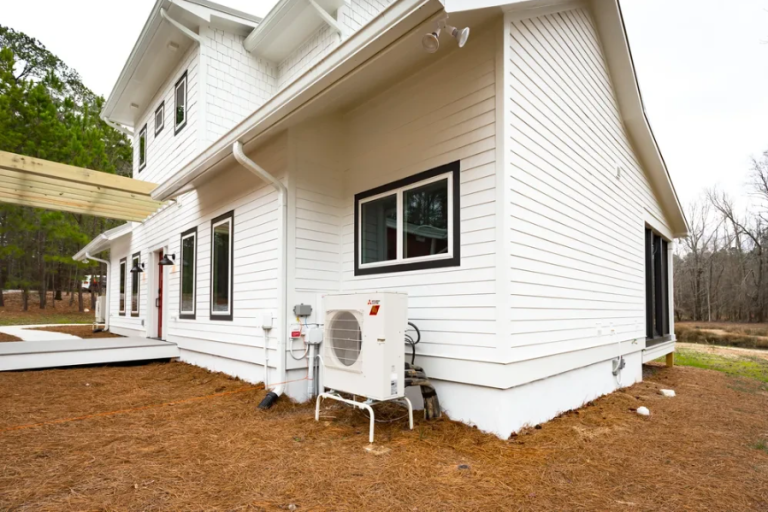
Heat Pumps
Heat pumps are considered environmentally friendly for several reasons:
Energy Efficiency: Heat pumps are highly efficient because they transfer heat rather than generate it by burning fuel. For every unit of electricity used, they can produce multiple units of heating or cooling, reducing the overall energy consumption.
Reduced Greenhouse Gas Emissions: Since heat pumps use electricity rather than fossil fuels like natural gas or oil, they produce fewer greenhouse gas emissions, especially if the electricity comes from renewable sources.
Use of Renewable Energy: Heat pumps can be powered by renewable energy sources like solar or wind power, further reducing their carbon footprint.
Lower Operating Costs: Their efficiency leads to lower energy bills, which can also translate to a lower environmental impact over time.
Dual Functionality: Heat pumps can both heat and cool spaces, eliminating the need for separate heating and cooling systems, which reduces resource usage and waste.
These factors make heat pumps a sustainable choice for heating and cooling homes.
Did you know what New York State offers rebate and tax incentives when installing certain styles of heat pumps installations? Click Here to learn more.
High Efficiency Furnace
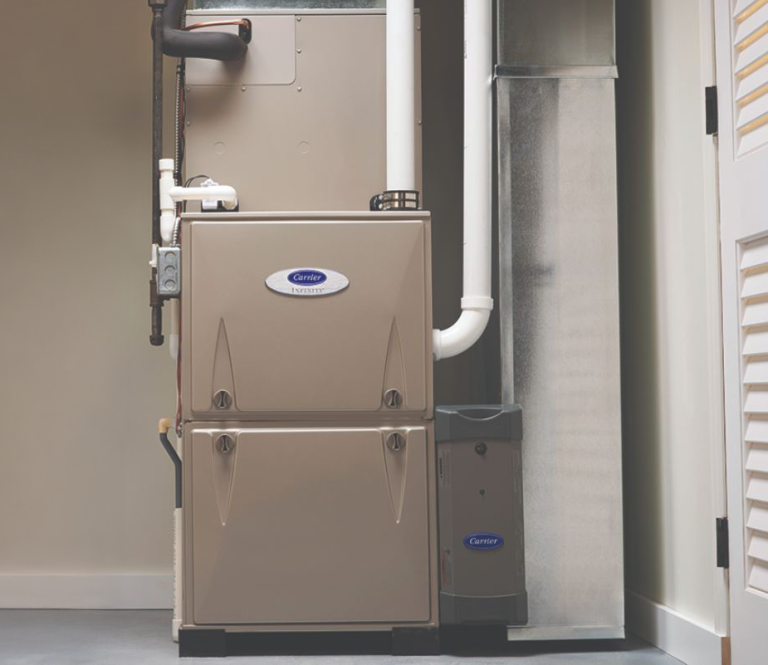
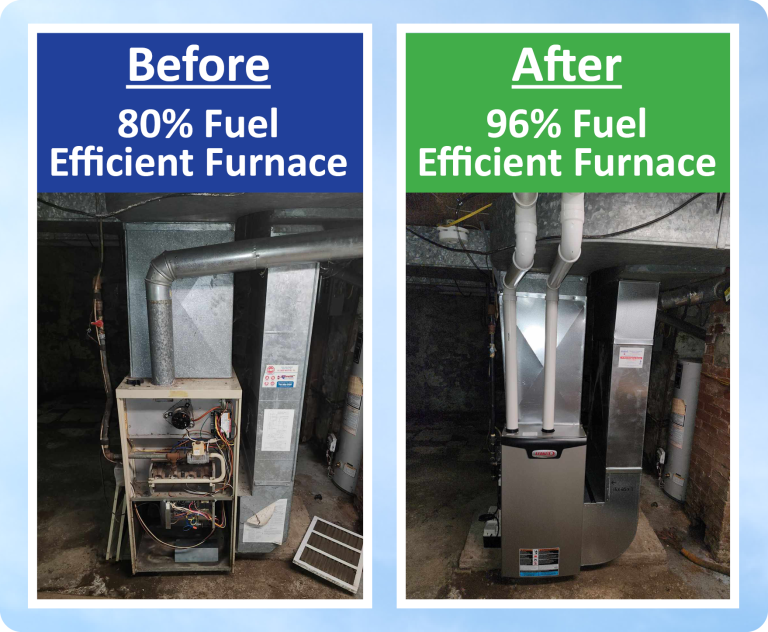
If you’re in the market for a new furnace, consider a high-efficiency furnace! Not only are they designed to use 97% of the gas are considered environmentally friendly for several reasons:
Improved Fuel Efficiency: High-efficiency furnaces convert a larger percentage of fuel into usable heat. Some models achieve efficiency ratings of 90% to 98.5%, meaning less fuel is wasted compared to older, less efficient models.
Reduced Greenhouse Gas Emissions: By using fuel more efficiently, high-efficiency furnaces produce fewer greenhouse gases like carbon dioxide, contributing less to climate change.
Lower Energy Consumption: High-efficiency furnaces require less fuel to produce the same amount of heat, reducing overall energy consumption and lowering the environmental impact of heating your home.
Advanced Technology: Many high-efficiency furnaces use advanced features like variable speed motors and two-stage heating, which allow the furnace to operate at lower levels when full power isn’t needed. This reduces energy use and wear and tear on the system, extending its lifespan and reducing waste.
Sealed Combustion: High-efficiency furnaces often use sealed combustion, drawing air from outside the home instead of inside. This improves efficiency and reduces the risk of indoor air pollution, contributing to a healthier living environment.
Potential for Integration with Renewable Energy: High-efficiency furnaces can be part of a hybrid system that integrates with renewable energy sources, further reducing the carbon footprint of home heating.
These factors make high-efficiency furnaces a more sustainable option for homeowners looking to reduce their environmental impact. Click Here to learn more about our furnace services.
Smart Thermostats
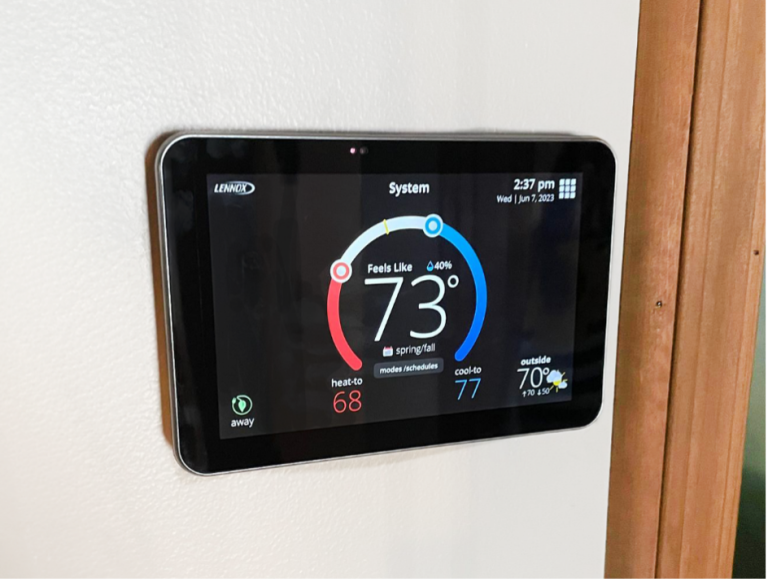
Not only are Smart Thermostats stylish and sleek, but the technology used in newer thermostats make them environmentally friendly due to several key features:
Optimized Energy Usage: Smart thermostats learn your heating and cooling preferences and automatically adjust the temperature to use energy more efficiently. This reduces unnecessary heating and cooling, leading to lower energy consumption.
Remote Access and Control: With a smart thermostat, you can control your home’s temperature from anywhere using an app on your smartphone. This allows you to adjust the temperature while you’re away, ensuring that energy isn’t wasted heating or cooling an empty home.
Energy Usage Insights: Many smart thermostats provide detailed reports on your energy usage. By giving you insights into when and how energy is used, they help you identify opportunities to save energy and reduce your environmental footprint.
Integration with Renewable Energy: Smart thermostats can be integrated with renewable energy systems, like solar panels, to optimize the use of clean energy for heating and cooling.
Adaptive Schedules: Smart thermostats create adaptive schedules based on your daily routines, adjusting the temperature to conserve energy when you’re asleep or away and maximizing comfort when you’re home.
Reduced Carbon Footprint: By lowering energy consumption, smart thermostats reduce the demand for electricity, which often comes from fossil fuel sources. This helps decrease the overall carbon emissions associated with heating and cooling your home.
Compatibility with Energy-Saving Programs: Many smart thermostats can participate in utility energy-saving programs, where they adjust settings during peak demand times to help reduce strain on the grid and further cut down on energy use.
These features make smart thermostats an environmentally friendly choice for managing home heating and cooling, contributing to a more sustainable lifestyle.
Interested in installing a smart thermostat? Click here to learn more about what smart thermostats we offer! Click Here to learn more about our furnace services.
Ductless Mini Splits
Ductless mini splits contribute to green energy initiatives in several ways:
High Energy Efficiency: Ductless mini splits are highly efficient because they deliver conditioned air directly to specific zones, reducing energy loss associated with ductwork. Traditional HVAC systems can lose up to 30% of energy through ductwork, but mini splits avoid this waste, leading to lower energy consumption.
Reduced Carbon Footprint: By consuming less energy, ductless mini splits reduce the overall demand for electricity, which often comes from fossil fuel sources. Lower energy usage translates to fewer greenhouse gas emissions, contributing to a smaller carbon footprint.
Use of Inverter Technology: Many ductless mini splits use inverter technology, which allows the system to adjust its speed and output to match the cooling or heating needs of a space precisely. This continuous adjustment minimizes energy consumption compared to traditional systems that frequently cycle on and off.
Compatibility with Renewable Energy: Ductless mini splits can easily be integrated with renewable energy sources like solar power. Because they operate efficiently at lower power levels, they are well-suited for homes or businesses aiming to use solar panels to offset energy usage.
Zoned Heating and Cooling: Ductless mini splits allow for zoned heating and cooling, meaning you only heat or cool the areas that need it. This targeted approach reduces overall energy consumption, making it an eco-friendly choice.
Environmentally Friendly Refrigerants: Many modern ductless mini splits use environmentally friendly refrigerants with lower Global Warming Potential (GWP) compared to older HVAC systems. This helps reduce the environmental impact of refrigerant use.
By combining these features, ductless mini splits align with green energy initiatives by promoting energy conservation, reducing reliance on fossil fuels, and supporting the integration of renewable energy sources.
Click Here to learn more about our Ductless Mini Split system services!

Geothermal Heating & Cooling
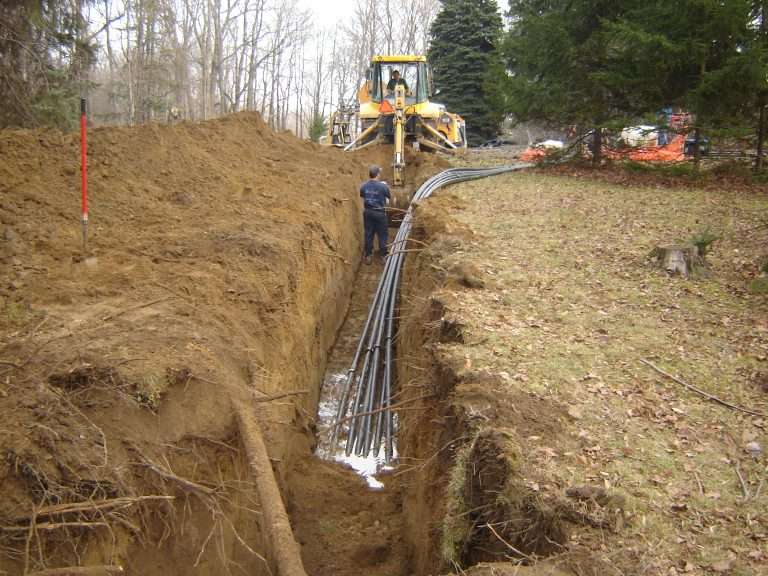
Geothermal heating and cooling systems contribute significantly to green energy initiatives through several key mechanisms:
Utilization of Renewable Energy: Geothermal systems harness the stable temperatures found beneath the Earth’s surface to provide heating in the winter and cooling in the summer. This process relies on the Earth’s natural heat, a renewable resource, reducing the need for fossil fuel consumption.
High Energy Efficiency: Geothermal systems are among the most energy-efficient HVAC solutions available. For every unit of electricity used to power the system, it can produce several units of heating or cooling, often achieving efficiencies of 300% to 600%. This high efficiency means lower energy consumption, reducing the overall demand for electricity and the associated greenhouse gas emissions.
Reduced Carbon Footprint: By using the Earth’s natural heat, geothermal systems significantly reduce the reliance on fossil fuels for heating and cooling. This leads to lower carbon dioxide emissions, contributing to a smaller carbon footprint for homes and businesses.
Minimal Environmental Impact: Unlike conventional HVAC systems, geothermal systems have minimal environmental impact. They operate quietly, produce no onsite emissions, and have a long lifespan, reducing the need for frequent replacements and the associated waste.
Low Operating Costs: While the initial installation cost of geothermal systems can be high, the operating costs are significantly lower than traditional systems due to their high efficiency. Over time, this can lead to substantial energy savings, making it a cost-effective and environmentally friendly option.
Support for Sustainable Development: Geothermal systems support sustainable development by reducing the overall energy demand from non-renewable sources. They also help stabilize energy grids by providing consistent heating and cooling without the fluctuations associated with traditional energy sources.
Compatibility with Green Building Standards: Geothermal systems are often included in green building certifications like LEED (Leadership in Energy and Environmental Design). Their use can contribute to earning points toward these certifications, promoting the construction of environmentally friendly buildings.
By leveraging the Earth’s natural and renewable energy, geothermal heating and cooling systems play a crucial role in advancing green energy initiatives, reducing environmental impact, and promoting sustainable living.
System Performance Maintenance and Upgrades
Your HVAC system performance contributes to green energy initiatives in several key ways:
Energy Efficiency: High-performance cooling systems are designed to operate efficiently, minimizing energy consumption while maintaining optimal indoor temperatures. Efficient systems use advanced technologies like variable-speed compressors, smart thermostats, and energy-efficient fans, reducing the overall energy demand and supporting green energy goals.
Reduced Energy Consumption: By optimizing the performance of cooling systems, less electricity is required to achieve the same level of comfort. This reduced energy consumption lessens the reliance on fossil fuel-based power plants, leading to lower greenhouse gas emissions and a smaller carbon footprint.
Lower Operational Costs: Efficient cooling systems not only consume less energy but also reduce operational costs for homeowners and businesses. Lower energy bills can encourage the adoption of green technologies, making sustainable choices more economically attractive.
Integration with Renewable Energy: High-performance cooling systems can be easily integrated with renewable energy sources like solar or wind power. Their efficiency means they can operate effectively on the variable power output of renewables, helping to maximize the use of clean energy.
Advanced Control Systems: Modern cooling systems often come with smart control systems that allow users to monitor and adjust performance in real-time. This ensures the system is running optimally, avoiding unnecessary energy use and reducing waste. Smart systems can also be programmed to operate during off-peak hours when renewable energy is more abundant.
Environmentally Friendly Refrigerants: Improved cooling systems often use refrigerants with lower Global Warming Potential (GWP). These environmentally friendly refrigerants help minimize the impact on the atmosphere, aligning with green energy initiatives focused on reducing overall environmental harm.
Longevity and Sustainability: High-performance cooling systems are generally more durable and require less frequent replacement, reducing the environmental impact associated with manufacturing, transportation, and disposal of HVAC units. This longevity supports sustainability by reducing waste and resource consumption.
Support for Grid Stability: Efficient cooling systems can help stabilize the electrical grid by reducing peak demand. During hot periods, when cooling is essential, an efficient system can lower the strain on the grid, making it easier to integrate more renewable energy sources.
In summary, enhancing system performance and cooling directly contributes to green energy initiatives by improving energy efficiency, reducing carbon emissions, and supporting the integration of renewable energy. These improvements lead to more sustainable, cost-effective, and environmentally friendly cooling solutions.