

The cost of heating a Buffalo home depends on several connected factors, including outdoor temperature, insulation quality, air leakage, thermostat settings, home size, heating system efficiency, equipment condition, fuel or energy prices, and household habits. Some of these factors affecting heating cost are within a homeowner’s control, while others are influenced by weather, utility pricing, and the basic design of the property. In Buffalo, where heating systems can run heavily through a long winter season, even small efficiency problems can become more noticeable over time. A draft around exterior doors, a clogged filter, an aging furnace, or an aggressive thermostat setting may not seem significant for one day, but repeated across weeks of cold weather, these issues can increase energy use and reduce comfort.
The most effective way to understand winter heating expenses is to look at the home as one complete system rather than blaming the furnace or boiler automatically. The heating equipment creates warmth, but the home’s insulation, windows, doors, ductwork, radiators, thermostat, and air-sealing quality determine how effectively that warmth stays inside. A highly efficient furnace can still run longer than expected if heated air escapes quickly through an under-insulated attic or poorly sealed windows. Likewise, a well-insulated house may still have high operating costs if the heating system is neglected or poorly controlled. The interaction between these components explains why two Buffalo homes of similar size can have very different winter heating bills.
Vastola Heating & Cooling helps local homeowners understand these relationships through professional Heating & Cooling Services in Buffalo, NY. A proper evaluation can help determine whether rising costs are related mainly to the heating equipment, the home itself, thermostat habits, maintenance needs, or a combination of factors. Instead of relying on one-size-fits-all advice, Buffalo homeowners can make better decisions when they identify the actual source of wasted energy and discomfort. That approach is especially valuable during the coldest parts of the year, when heating systems operate longer and minor inefficiencies become more expensive.
Why Buffalo Weather Has Such a Strong Effect on Heating Costs
Outdoor temperature is one of the biggest factors affecting heating cost because the colder it becomes outside, the harder the home’s heating system must work to maintain a comfortable indoor temperature. Heat naturally moves from warmer spaces toward colder areas. Therefore, as the difference between indoor and outdoor temperatures increases, the home loses heat faster through walls, windows, doors, ceilings, and other building surfaces. A home maintained at 70°F during relatively mild winter weather does not lose heat at the same rate as that same home during a much colder period. The heating system must replace that lost heat, which often means longer run times or more frequent heating cycles.
Buffalo weather also includes wind, snow, freezing temperatures, and rapid changes in outdoor conditions. Wind can make existing air leaks more noticeable because outside air may enter through gaps around doors, windows, attic access points, and unfinished areas. Snow itself can create varying effects depending on the building and roof conditions, while prolonged cold can keep furnaces and boilers operating for much of the day. For homeowners, this means a higher bill during a particularly cold month does not automatically prove that the heating system has become inefficient. Comparing usage across similar weather periods is often more useful than looking at the dollar amount alone.
Several weather-related conditions can influence heating demand:
- Lower outdoor temperatures increase the amount of heat the home loses.
- Strong winds can increase drafts and air infiltration.
- Long cold spells reduce the number of hours when the heating system can rest.
- Cloudy winter periods may reduce passive solar warmth through windows.
- Rapid temperature drops can increase heating demand before the home reaches a new balance.
- Heavy snow and ice may affect outdoor equipment or building conditions depending on the system.
Weather is not something homeowners can control, but they can control how well the home responds to it. Improving insulation, sealing air leaks, maintaining the heating system, and using the thermostat wisely can help reduce how much extra energy the house needs during harsher conditions.
Home Size, Layout, and Construction Can Change Heating Demand
A larger home usually requires more energy to heat because there is more indoor air, more exterior surface area, and often more rooms to maintain at a comfortable temperature. However, square footage alone does not tell the full story. A smaller older Buffalo home with limited insulation and significant air leakage may cost more to heat than a larger property that was built or upgraded with a tighter envelope, better windows, and efficient equipment. Ceiling height, number of stories, basement conditions, window area, room orientation, and additions can all influence winter heating demand in ways that simple square footage does not capture.
The layout of the home also affects how heat moves from room to room. Open floor plans may distribute warm air differently from homes with many smaller rooms and closed doors. Multi-story properties may experience temperature differences because warm air naturally rises, which can leave upper levels warmer and lower levels cooler. Older additions may have different insulation standards than the original structure. Finished basements, enclosed porches, and converted attic spaces can also introduce comfort challenges if the heating system was not redesigned when those spaces became part of the living area.
Common property characteristics that can increase heating demand include:
- Large amounts of exterior wall area.
- High or vaulted ceilings.
- Multiple stories with uneven airflow.
- Older additions with different insulation levels.
- Large windows or older window assemblies.
- Unconditioned spaces next to heated rooms.
- Poorly insulated attics, crawlspaces, or basement rim joists.
The goal is not to assume that every large or older home will automatically have high heating costs. Instead, homeowners should understand which structural features create additional heat loss and which improvements could make the greatest difference.
Insulation and Air Leakage Are Major Factors Affecting Heating Cost
Insulation slows the movement of heat through the building envelope. During winter, it helps keep indoor warmth from escaping through the attic, walls, basement, and other building surfaces. When insulation is inadequate, compressed, missing, or unevenly installed, the heating system must replace heat more frequently. In Buffalo’s colder climate, that extra workload can continue for months, which is why insulation quality can have a significant impact on comfort and energy consumption. However, insulation works best when it is combined with proper air sealing because moving air can bypass insulation and carry heat out of the home.
Air leakage occurs when outside air enters through cracks and gaps while heated indoor air escapes. Common leakage points include door frames, window frames, attic penetrations, electrical openings, plumbing penetrations, rim joists, and access hatches. Some air movement is necessary for healthy ventilation, but uncontrolled drafts can increase heating demand. A homeowner may notice cold areas around exterior walls or floors, but the furnace may not be the underlying problem. Instead, the heating system may simply be compensating for heat escaping through the building envelope.
Controllable and Less-Controllable Heating Cost Factors
Factor | Level of Homeowner Control | How It Can Affect Heating Cost | Practical Response |
Outdoor temperature | Low | Colder weather increases heat loss and system runtime | Improve efficiency elsewhere |
Wind exposure | Low | Can increase air infiltration through gaps | Improve air sealing |
Utility or fuel rates | Low | Changes the cost of each unit of energy | Reduce unnecessary consumption |
Thermostat settings | High | Higher indoor temperatures increase heating demand | Use practical schedules |
Furnace filter condition | High | Restricted airflow can reduce performance | Check and replace as needed |
Insulation quality | Moderate to high | Poor insulation increases heat loss | Evaluate attic, walls, basement |
Air leakage | Moderate to high | Drafts allow heated air to escape | Seal appropriate gaps |
Equipment maintenance | High | Neglected systems may operate less effectively | Schedule routine maintenance |
Home size and layout | Low | Larger or complex spaces require more heat | Improve zoning and efficiency where practical |
This distinction is useful because homeowners often focus on factors they cannot control, such as the weather or fuel prices, while overlooking areas where practical improvements are possible. Reducing waste usually starts with the parts of the system that can be changed.
How Thermostat Settings Affect Winter Heating Costs
Thermostat strategy has a direct effect on energy use because every additional degree of indoor temperature increases the difference between the inside and outside environment. The greater that difference becomes, the more heat the home loses. This does not mean homeowners should keep the house uncomfortably cold. Instead, the goal is to choose a practical occupied temperature and avoid unnecessary extremes. Constantly raising and lowering the thermostat can also create comfort problems, especially in homes with slow heating response or heavy thermal mass.
A common mistake is assuming that setting the thermostat several degrees higher will make the house warm faster. In most conventional systems, the thermostat does not control heating speed in that way. It tells the system when to run and when to stop. Setting the thermostat much higher than the desired temperature may simply cause the heating system to run longer and overshoot the comfort target. A better approach is to understand why the home may be taking too long to warm. Restricted airflow, inadequate insulation, excessive heat loss, poorly positioned thermostats, or system performance problems may be contributing factors.
A practical thermostat approach may include:
- Set a comfortable occupied temperature and keep it reasonably consistent.
- Use modest setbacks during extended periods when the home is empty.
- Avoid extreme changes that create long recovery periods.
- Program heating schedules around actual household routines.
- Check whether the thermostat is exposed to drafts or direct heat sources.
- Avoid repeatedly raising the setting when the home feels slow to warm.
Thermostat habits are among the easiest factors affecting heating cost to adjust, but they work best when the rest of the heating system and home envelope are performing properly.
Heating and Cooling Services Throughout Buffalo New York
Since 1946, Vastola has been a small family-owned business providing expert Heating, Cooling, Generator & Electrical Services throughout Erie, Niagara, Wyoming, Cattaraugus, and Chautauqua counties in Western New York.
Heating System Efficiency, Age, and Condition Matter
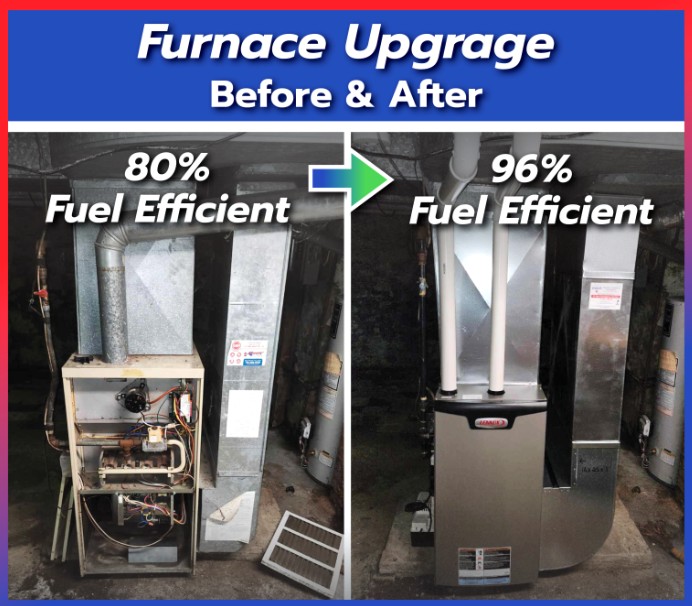
The efficiency and condition of the heating system play a major role in winter operating costs. Furnaces, boilers, and other heating systems convert energy into usable heat, but not every system does so at the same efficiency level. Equipment that was designed decades ago may use more fuel than a newer high-efficiency system to deliver a similar amount of heat. However, age alone does not tell the whole story. A well-maintained older furnace or boiler may still operate reliably, while a newer system with poor airflow, neglected maintenance, or installation problems may underperform.
Equipment condition also influences how effectively the system transfers and distributes heat. Furnaces depend on proper airflow, combustion performance, blower operation, controls, and ductwork. Boilers rely on water circulation, controls, radiators or baseboards, pressure conditions, and other components. If the system has unresolved problems, homeowners may notice longer run times, uneven temperatures, frequent cycling, rising energy use, or reduced comfort. These symptoms deserve attention because they may indicate that the system is working harder than necessary.
Signs that equipment condition may be contributing to higher costs include:
- The heating system runs much longer than it used to.
- Certain rooms remain cold even when the system runs frequently.
- The furnace cycles on and off unusually often.
- The boiler struggles to heat some radiators or zones.
- Energy use rises even though household habits have not changed.
- New noises or operating changes appear.
- Repairs become more frequent.
Homeowners should not assume every higher bill requires equipment replacement. Maintenance, airflow corrections, control adjustments, or other repairs may improve performance. Professional evaluation helps determine whether the system itself is responsible or whether another part of the home is creating the extra workload.
Maintenance History Can Influence Long-Term Heating Costs
Routine maintenance helps heating systems operate closer to the way they were designed. For forced-air systems, filter condition is one of the simplest homeowner-controlled factors. A dirty filter can restrict airflow and make it more difficult for the system to distribute heat. This may reduce comfort and increase strain on equipment. Filters should be inspected regularly, especially during periods of heavy heating use, but replacement frequency depends on filter type, pets, household conditions, dust levels, and system runtime.
Professional maintenance can address issues that homeowners cannot safely inspect themselves. Depending on the equipment, a technician may evaluate electrical connections, safety controls, airflow, burners, heat exchangers, system pressures, blower components, thermostat communication, or other performance factors. The purpose is not simply to perform a checklist. It is to identify conditions that could reduce reliability, comfort, or efficiency before they become larger problems during winter.
A strong maintenance approach may include:
- Checking filters regularly throughout the heating season.
- Keeping vents and return grilles clear of furniture.
- Watching for changes in system noise or cycling behavior.
- Paying attention to uneven room temperatures.
- Scheduling professional maintenance at appropriate intervals.
- Addressing minor problems before they become repeated breakdowns.
- Keeping records of repairs and equipment performance over time.
Maintenance history is one of the more controllable factors affecting heating cost because homeowners can take action before problems become severe. Preventive attention may also help provide a clearer picture of whether an older system still makes sense to maintain.
Fuel Prices and Energy Rates Can Change the Final Bill
Even when a home uses the same amount of energy from one winter to the next, the final cost can change if natural gas, electricity, oil, or other energy prices rise or fall. This can make heating bills difficult to interpret. A higher monthly payment does not always mean the home suddenly became less efficient. Sometimes the household consumed a similar amount of energy but paid more per unit because of changing market or utility rates. That is why homeowners should compare both usage and price whenever possible.
The type of heating system also affects how energy rates influence operating costs. A gas furnace, boiler, electric resistance system, and heat pump all use energy differently. The most economical option depends on equipment efficiency, local rates, climate, property conditions, and usage patterns. Homeowners considering replacement should avoid making decisions based only on one current utility bill because long-term energy costs can change.
Questions to Ask When Reviewing a Higher Heating Bill
Question | Why It Matters |
Was the weather colder than the previous comparison period? | Colder conditions can increase runtime |
Did the utility rate change? | Higher rates can increase cost even with similar usage |
Did household occupancy change? | More people at home can increase heating demand |
Was the thermostat set higher? | Higher indoor temperatures increase heat loss |
Has maintenance been delayed? | Poor system condition may increase runtime |
Are some rooms colder than before? | May indicate airflow or distribution problems |
Have drafts become more noticeable? | Air leakage can increase heat loss |
Is the equipment cycling differently? | May indicate a system issue |
Looking at these questions together gives homeowners a clearer picture than focusing only on the final dollar amount.
Household Habits and Daily Use Can Raise or Lower Heating Demand
The way a household uses the home can noticeably affect winter energy consumption. A family that spends most of the day at home will usually require more heating than a household that is empty for long periods. Frequent opening of exterior doors, heating unused rooms, blocking vents, using exhaust fans for long periods, or keeping the thermostat significantly higher can all add to heating demand. None of these habits alone may seem important, but together they can influence total energy use over the course of a Buffalo winter.
Curtains, shades, furniture placement, and room usage also affect comfort. Window coverings can reduce the sensation of cold near glass during winter nights, while sunlight during the day may provide some passive warmth. However, curtains should not block radiators or supply vents. Similarly, furniture placed over return grilles or directly in front of registers can interfere with airflow. Homeowners should think about how everyday room setup supports or works against the heating system.
Common habits worth reviewing include:
- Leaving exterior doors open longer than necessary.
- Blocking supply vents with furniture or rugs.
- Keeping rarely used rooms as warm as frequently occupied areas.
- Running exhaust fans longer than needed.
- Constantly changing thermostat settings.
- Ignoring drafts and compensating by raising the temperature.
- Using portable heaters instead of investigating persistent cold spots.
Improving these habits can support lower energy use without requiring a large investment. However, behavioral changes should complement proper heating-system performance rather than compensate for a system that is not functioning correctly.
How to Identify Which Factors Are Driving Your Heating Cost
The best way to reduce winter heating expenses is to identify the main cause before spending money on improvements. Start by comparing recent bills with previous periods, but look at energy usage rather than cost alone if that information is available. Then note comfort patterns around the home. Are certain rooms colder? Does the system run constantly? Are drafts obvious near exterior walls? Has the furnace filter been checked? Does the thermostat maintain a steady temperature? These observations help narrow down whether the issue may involve the heating equipment, the building envelope, or household behavior.
Next, separate short-term problems from long-term conditions. A sudden increase in energy use may suggest a new issue such as a clogged filter, thermostat problem, equipment malfunction, or new air leak. Gradual increases over several years may reflect aging equipment, declining insulation performance, changes in household use, or rising utility rates. Professional evaluation becomes especially useful when homeowners cannot identify a clear explanation.
A step-by-step review can include:
- Compare energy usage with similar winter periods.
- Check thermostat schedules and occupied temperatures.
- Inspect the heating filter if the system uses one.
- Look for obvious drafts around doors and windows.
- Note rooms with persistent comfort problems.
- Listen for changes in system cycling or noise.
- Review recent maintenance and repair history.
- Consider whether utility pricing has changed.
- Arrange professional evaluation if the cause remains unclear.
This process helps homeowners focus on the factors affecting heating cost that are most relevant to their own property rather than applying generic solutions.
When Improvements May Provide Better Long-Term Value
Not every efficiency improvement has the same value for every Buffalo home. A property with severe attic heat loss may benefit significantly from insulation work, while another home may already have good insulation but suffer from inefficient equipment. A third may have a reliable furnace but major duct leakage. This is why improvement priorities should be based on actual conditions rather than assumptions. Spending money on the wrong project can produce disappointing results even when the upgrade itself is technically beneficial.
Low-cost improvements often make sense as the first step because they help eliminate obvious sources of waste. Filter replacement, thermostat adjustments, air-sealing around accessible gaps, and basic maintenance may provide immediate benefits. Larger projects such as insulation upgrades, zoning, duct improvements, or equipment replacement deserve more careful evaluation because they involve higher costs and longer-term decisions.
The strongest long-term strategy usually combines several layers:
- Maintain the heating equipment properly.
- Improve air sealing where unnecessary leakage exists.
- Address insulation deficiencies.
- Use thermostat settings that match household routines.
- Improve heat distribution if rooms remain uneven.
- Consider equipment replacement when age, condition, and efficiency justify it.
This balanced approach can help lower energy waste while also improving comfort, reliability, and overall system performance.
Professional Heating Support in Buffalo, NY
Homeowners can make many useful changes on their own, but professional service becomes important when heating costs rise without an obvious reason, comfort problems continue, or equipment behavior changes. A technician can evaluate system condition, airflow, controls, heating distribution, and equipment performance in ways that are difficult to assess without specialized training. Professional support is especially valuable when the home has multiple possible causes, such as aging equipment combined with uneven airflow or poor heat retention.
Vastola Heating & Cooling provides Heating & Cooling Services for Buffalo-area homeowners who want to better understand heating performance, maintenance needs, equipment condition, and comfort problems. The goal should not be to assume replacement is always necessary. Instead, a professional assessment can help identify whether maintenance, repairs, control changes, system improvements, or future equipment planning would provide the most practical value.
Conclusion
Buffalo homeowners cannot control every part of winter heating expenses, but they can influence many of the conditions that determine how much energy their home uses. Weather, fuel prices, and the basic size of the home may be difficult or impossible to change. However, insulation, air leakage, thermostat habits, maintenance, airflow, and equipment condition can often be improved. Understanding these factors affecting heating cost helps homeowners separate normal winter increases from unnecessary energy waste.
The best approach is to focus on comfort and efficiency together. A lower bill has little value if the home becomes uncomfortably cold, just as a warm home should not require excessive energy because of unresolved maintenance or heat-loss problems. By identifying the real source of higher heating demand, homeowners can prioritize improvements that make sense for their property, budget, and long-term plans.
Vastola Heating & Cooling can help Buffalo homeowners evaluate their current heating system, identify possible efficiency issues, and determine whether maintenance, repairs, control improvements, or future upgrades may improve comfort and performance. If your heating costs are rising or your home is becoming harder to keep comfortable, contact Vastola Heating & Cooling to discuss practical heating solutions for your Buffalo, NY home.