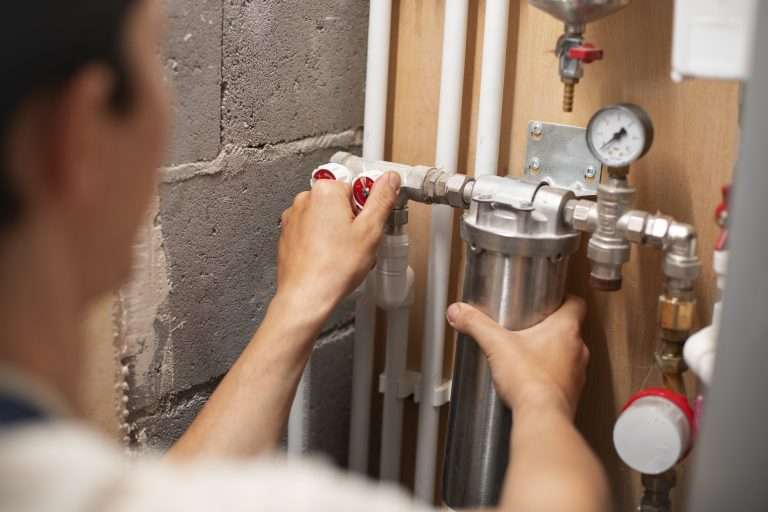
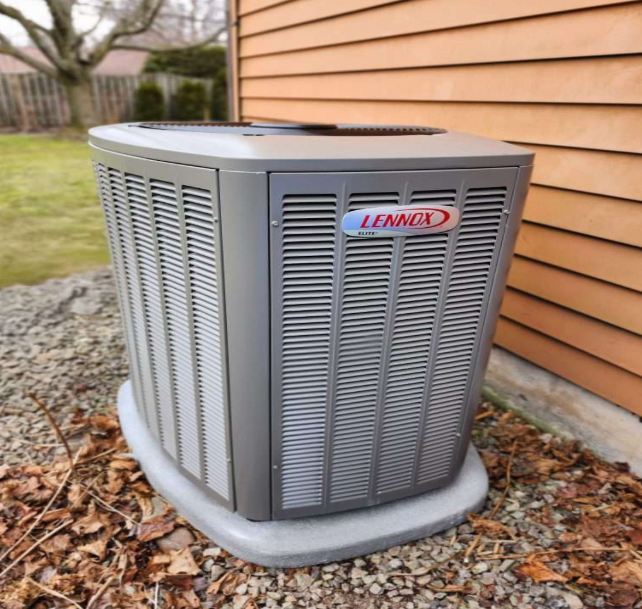
The benefits of upgrading heating system equipment before a Buffalo winter include improved heating reliability, more consistent indoor comfort, better energy efficiency, quieter operation, modern temperature controls, fewer unexpected breakdowns, and compatibility with newer home technologies. An aging furnace, boiler, or heat pump may still produce heat but struggle to maintain the comfort your household needs during colder weather. Newer heating equipment can address certain performance limitations while offering features that improve daily operation. However, replacement is not always necessary simply because a system is getting older. Equipment condition, repair history, energy performance, and household priorities should guide the decision. Understanding these factors helps Buffalo homeowners determine whether upgrading before winter is a practical investment.
At Vastola Heating & Cooling, we understand how important dependable heating is for homeowners throughout Buffalo, NY, and surrounding Western New York communities. Our heating services include furnace installation and replacement, boiler services, heat pumps, ductless mini-splits, and other home comfort solutions. We help homeowners evaluate existing equipment and explore options based on their heating needs, home configuration, and budget. Whether your current system struggles to maintain comfortable temperatures or requires increasingly frequent repairs, professional assessment can help identify the most appropriate next step. This guide explains seven practical advantages of upgrading aging heating equipment, along with the factors homeowners should consider before choosing a replacement.
1. Improved Heating Reliability During Buffalo’s Coldest Months
One of the most important reasons to consider replacing an aging heating system is the opportunity to improve reliability. Buffalo winters can place significant demands on residential heating equipment, especially during extended periods of freezing temperatures. Older furnaces and boilers may continue operating for years, but worn components and recurring mechanical problems can increase the possibility of unexpected interruptions. A properly installed replacement system begins with new operating components and manufacturer warranty coverage, which can provide greater confidence during demanding heating conditions. However, reliability also depends on correct equipment sizing, installation quality, and ongoing maintenance. Replacing an older system should address identified reliability concerns rather than simply introduce newer equipment without evaluating the home’s needs.
Why Reliable Heating Matters During Western New York Winters
A heating breakdown can become especially disruptive when outdoor temperatures remain below freezing. Without adequate heat, indoor temperatures may decline, creating discomfort for occupants and potentially exposing plumbing to freezing conditions. Homeowners may also face inconvenient repair scheduling during periods of increased winter service demand. Planning an upgrade before equipment becomes unreliable provides an opportunity to compare options without making a rushed decision during an emergency. A professional inspection can help identify deteriorating components, recurring ignition problems, circulation concerns, or other conditions that could affect dependable operation. For Buffalo homeowners who already experience frequent service interruptions, replacing aging equipment may offer a more practical long-term solution than continuing to address repeated breakdowns.
2. More Consistent Indoor Comfort Throughout the Home
An aging heating system may struggle to distribute warmth evenly, particularly when equipment performance has declined or the home’s heating requirements have changed. Some homeowners notice that certain rooms remain chilly while others become uncomfortably warm. These differences can result from inadequate heating capacity, aging controls, airflow restrictions, duct leakage, or problems with hydronic heating distribution. Upgrading equipment may improve temperature consistency when the existing system contributes to the problem. Newer furnaces can offer multi-stage heating and variable-speed blower features, while suitable boiler or heat pump systems may provide more refined output control. However, replacing the equipment alone cannot correct every comfort issue. Insulation, air sealing, ductwork, and proper system design remain essential.
How Modern Heating Controls Can Improve Temperature Stability
Modern heating systems may provide greater flexibility in how they respond to changing indoor temperatures. For example, certain two-stage furnaces can operate at reduced output during moderate heating demand, while modulating equipment can adjust heating capacity more precisely. These features may reduce noticeable temperature fluctuations compared with an older system that operates only at full output. The ideal solution depends on the home and the equipment selected. Homeowners comparing single-stage, two-stage, and modulating furnaces should consider their actual comfort concerns rather than assuming the most advanced option is automatically necessary. A properly sized single-stage furnace may still provide dependable comfort, while a multi-stage system may offer additional benefits for households seeking steadier temperatures.
3. Better Energy Efficiency and Potential Heating Cost Savings
Improved energy efficiency is another important reason homeowners consider upgrading older heating equipment. A heating system’s efficiency describes how effectively it uses energy to produce useful heat, and newer models may perform better than older equipment with lower efficiency ratings. For gas furnaces, Annual Fuel Utilization Efficiency, or AFUE, helps homeowners compare the percentage of fuel energy converted into useful heating over a typical season. Heat pumps use different efficiency measures because they transfer heat rather than produce it through combustion. Replacing older, inefficient equipment with a properly selected modern system may reduce energy consumption. However, actual savings depend on fuel costs, equipment performance, household temperature settings, insulation, and installation conditions.
Why Equipment Efficiency Is Only Part of the Equation
A high-efficiency heating system cannot fully compensate for significant heat loss throughout the home. Poor attic insulation, drafts around windows, unsealed ductwork, and inadequate air sealing can increase heating demand regardless of equipment efficiency. Therefore, homeowners should evaluate the building as well as the heating system when considering an upgrade. A professional assessment can identify whether improved equipment efficiency, home weatherization, or a combination of improvements may offer better value. Heating expenses also depend on thermostat habits and outdoor conditions, so monthly utility bills will not always decrease by a predictable amount. The best approach is to compare equipment efficiency ratings and expected operating conditions without relying on unsupported savings estimates.
4. Quieter Heating Operation and a More Comfortable Living Environment
Unusual operating noise can become a concern as heating equipment ages. Worn blower components, loose panels, airflow restrictions, and mechanical deterioration may cause rattling, humming, or other sounds that make the system more noticeable throughout the home. Some modern heating systems incorporate improved blower designs, variable-speed motors, or lower-output operating modes that can provide quieter heating during normal operation. These features may be particularly appealing when equipment sits near bedrooms, home offices, or frequently occupied living spaces. However, operating noise depends on the complete installation rather than equipment age alone. Duct design, airflow resistance, mounting conditions, and mechanical condition all influence the sound occupants hear during heating cycles.
When Noisy Equipment Signals a Maintenance Problem
Not every noise indicates that replacement is necessary. A loose panel, dirty filter, or worn serviceable component may create sounds that a qualified technician can address without replacing the entire heating system. However, new grinding, banging, or unusually loud operating noises should not be ignored, especially when they occur alongside reduced heating performance. A professional inspection can determine whether the sound originates from normal equipment operation, a repairable problem, or more substantial deterioration. Homeowners should avoid opening sealed equipment compartments or attempting internal mechanical repairs without proper training. When an aging system repeatedly develops noise-related problems, the cost and frequency of repairs may become part of the broader replacement decision.
5. Improved Thermostat Control and More Convenient Heating Schedules
Modern heating systems may offer improved compatibility with programmable and smart thermostats, giving homeowners greater control over indoor temperatures and daily heating schedules. Depending on the equipment and thermostat, features may include automatic temperature adjustments, remote access, scheduling, and system performance information. These capabilities can make household temperature management more convenient, especially for families with changing routines. Some controls also coordinate with multi-stage heating equipment to manage heating output more effectively. However, not every thermostat works with every furnace, boiler, or heat pump. Proper compatibility and configuration are essential to ensure the equipment operates as intended. Upgrading a thermostat alone may be sufficient when the existing heating system remains reliable and performs well.
How Smart Temperature Scheduling Supports Home Comfort
A well-planned heating schedule helps homeowners maintain comfortable indoor temperatures while avoiding unnecessary heating during selected periods. For example, households may prefer different temperatures while sleeping, working from home, or spending time away. A compatible smart thermostat can make these adjustments easier, although the most appropriate setback strategy depends on the heating system. Heat pumps, in particular, may require more careful temperature scheduling because aggressive setbacks can activate auxiliary heating in some configurations. Homeowners should also consider whether remote access or learning features offer meaningful convenience for their household. Rather than selecting a thermostat based only on advertised technology, the goal should be reliable communication with the heating equipment and practical temperature control.
6. Lower Risk of Emergency Heating Breakdowns
Replacing an aging heating system before it fails can reduce dependence on emergency service during periods of intense heating demand. Although no new system is completely immune to mechanical problems, replacing equipment with documented reliability concerns can eliminate certain existing failure risks. This is especially relevant when homeowners have experienced repeated service calls, intermittent heating, or declining performance over several seasons. Planning ahead also allows time to review installation requirements, equipment availability, and warranty coverage. Instead of selecting a replacement under the pressure of having no heat, homeowners can evaluate suitable systems and schedule installation at a more convenient time. This preparation may improve the overall replacement experience.
Why Planning a Heating Upgrade Before Winter Makes Sense
Scheduling a heating evaluation before Buffalo’s most demanding winter weather provides additional flexibility. Homeowners can discuss repair and replacement options, review equipment efficiency, and consider necessary changes to ductwork, venting, or controls. Planning also creates an opportunity to address insulation or air leakage concerns that may affect the new system’s performance. However, replacement timing should follow actual equipment condition rather than a fixed calendar rule. A well-maintained system may remain suitable for continued use, even as it ages. If a technician identifies a safety concern, significant component failure, or an inability to heat the home adequately, the situation may require more immediate attention regardless of the season.
7. Better Compatibility With Modern Home Comfort Technologies
Upgrading an aging heating system may create opportunities to integrate equipment with newer comfort technologies. Depending on the home’s configuration, homeowners may consider compatible smart thermostats, improved airflow controls, zoning arrangements, or heating and cooling systems that work together. Some properties may benefit from exploring heat pumps, ductless mini-splits, or other alternatives to traditional heating arrangements. These technologies are not automatically appropriate for every home, and compatibility depends on existing infrastructure and installation requirements. However, evaluating them during a planned replacement can help homeowners avoid selecting equipment that limits future options. A coordinated approach considers heating needs, cooling requirements, available space, electrical capacity, and long-term household priorities.
How a Coordinated Heating and Cooling System Can Support Long-Term Comfort
Heating equipment should not always be evaluated in isolation, particularly when other home comfort systems are also aging. A homeowner replacing an older furnace may want to consider whether existing air conditioning equipment, ductwork, or thermostat controls need attention. Likewise, a property that relies on a boiler may benefit from discussing supplemental cooling or other comfort solutions without necessarily replacing the entire heating arrangement. Vastola provides Heating & Cooling System in Buffalo NY services that cover furnaces, boilers, heat pumps, ductless systems, ventilation, and related solutions. Evaluating the overall home configuration can help homeowners identify practical improvements that support comfort throughout the year.
Heating and cooling Services
At Vastola, we understand the importance of a balanced, comfortable indoor climate—whether it’s winter or summer. That’s why we specialize in Heating and Cooling solutions that work together seamlessly to maintain ideal temperatures year-round. From heat pumps to ductless mini-split systems and geothermal climate control, our advanced systems efficiently handle both heating and cooling needs while lowering energy costs and reducing environmental impact.
With our range of integrated heating and cooling solutions, Vastola offers reliable comfort that works year-round. Call us to learn how we can create a balanced indoor climate that meets all your heating and cooling needs!
How to Know When Your Aging Heating System Needs Replacement
Age is an important consideration, but it should not determine replacement decisions on its own. According to ENERGY STAR, homeowners should consider professional evaluation when furnaces or boilers are more than 15 years old, particularly when frequent repairs or rising energy expenses accompany aging equipment. However, heating systems do not automatically become unusable at a specific age. Maintenance history, operating conditions, equipment quality, and component condition all influence useful service life. A relatively older system may remain suitable after professional inspection, while a newer system with repeated serious failures may warrant replacement sooner. The most useful assessment considers both mechanical condition and how effectively the equipment meets current household needs.
Warning Signs That Deserve Professional Attention
Homeowners should pay attention to changes in heating performance rather than waiting for the equipment to stop operating entirely. A system that takes longer to warm the house, produces uneven temperatures, or requires repeated repairs may be developing problems that need evaluation. Unusual sounds, unexpected shutdowns, and steadily increasing heating costs can also indicate concerns, although these symptoms do not always require replacement. Some problems result from dirty filters, thermostat settings, or repairable mechanical components. A qualified technician can help determine whether the system remains suitable for continued operation. This distinction matters because replacing equipment unnecessarily can create avoidable expenses, while repeatedly repairing a severely deteriorated system may offer poor long-term value.
Common warning signs include:
- Frequent repair visits: Heating problems continue returning despite previous service.
- Inconsistent indoor temperatures: Some rooms remain cold even when the system operates regularly.
- Unexpected operating noises: New rattling, grinding, or other unusual sounds appear.
- Declining heating performance: The system struggles to maintain comfortable temperatures.
- Increasing operating expenses: Energy consumption rises without an obvious explanation.
- Advanced equipment age: An older heating system develops recurring performance or reliability concerns.
These signs provide useful information, but they should be considered together rather than treated as automatic replacement requirements. For example, higher winter utility bills may reflect colder weather or increased energy rates rather than equipment deterioration. Similarly, uneven room temperatures may result from insulation or ductwork problems that replacement alone will not solve. If a system develops a serious safety concern, such as suspected combustion problems, a gas leak, or carbon monoxide alarm activation, occupants should follow emergency safety procedures immediately. Professional diagnosis helps identify the actual issue and determine whether repair, maintenance, or replacement is appropriate.
How to Choose the Right Heating System Before a Buffalo Winter
Selecting replacement equipment begins with understanding the home’s heating requirements and the limitations of the current system. A professional assessment should consider building size, insulation, air leakage, existing equipment, and the heating distribution method. For forced-air systems, ductwork condition and airflow capacity also matter. Homeowners should discuss their comfort preferences, energy-efficiency priorities, and available budget before comparing specific models. The most expensive equipment is not automatically the most suitable option. A properly sized system that matches the property and household needs can provide better practical value than advanced equipment selected without considering installation requirements. Comparing written estimates also helps clarify which services, modifications, and warranties are included.
Step-by-Step Process for Planning a Heating System Upgrade
Planning an upgrade can make the replacement process easier to understand and help homeowners avoid unnecessary expenses. Begin by documenting the current system’s age, repair history, operating concerns, and recent maintenance. This information gives the heating contractor useful context before the inspection. Next, identify the household’s priorities, such as reliability, comfort, quieter operation, or energy efficiency. A qualified technician can then evaluate the existing equipment and determine whether replacement is justified. If a new system is appropriate, compare models based on verified efficiency ratings, installation requirements, and suitability for Buffalo’s winter conditions. The final decision should balance upfront investment with expected comfort and long-term ownership considerations.
A practical replacement process includes these steps:
- Review equipment history: Record previous repairs, maintenance, and current heating concerns.
- Schedule a professional evaluation: Determine whether the existing system can be repaired or should be replaced.
- Assess household heating needs: Consider insulation, layout, equipment capacity, and comfort preferences.
- Compare suitable options: Review efficiency ratings, operating features, and installation requirements.
- Evaluate the full investment: Consider installation costs, warranties, and expected maintenance needs.
- Plan professional installation: Arrange appropriate equipment installation, testing, and system configuration.
Following these steps helps homeowners make informed decisions without assuming that every aging heating system requires immediate replacement. If the current equipment remains reliable and a reasonable repair can restore performance, continuing to maintain it may be appropriate. However, repeated failures, serious component deterioration, or substantial comfort limitations may make replacement more attractive. Homeowners exploring a new Heating & Cooling System should also discuss whether the proposed equipment will work effectively with their existing controls and home infrastructure. Proper planning can help ensure the selected solution addresses the underlying heating concern rather than simply replacing one piece of equipment with another.
Conclusion: Prepare Your Buffalo Home for Dependable Winter Comfort
The benefits of upgrading heating system equipment before a Buffalo winter extend beyond replacing an older furnace or boiler. A properly selected replacement may improve heating reliability, maintain more consistent indoor temperatures, increase energy efficiency, reduce operating noise, and support better temperature control. It can also reduce the risk of recurring breakdowns and provide opportunities to integrate newer home comfort technologies. However, replacement decisions should reflect equipment condition, repair history, household priorities, and installation requirements. A professional assessment can help homeowners distinguish problems that require replacement from those that routine maintenance or targeted repairs can address.
At Vastola Heating & Cooling, we help homeowners throughout Buffalo, NY, and surrounding Western New York communities evaluate their heating equipment and explore practical comfort solutions. Our services include furnace installation and replacement, boiler services, heat pumps, ductless systems, and comprehensive heating and cooling support. Whether your current system requires frequent repairs or you want to explore more efficient heating options before winter, our team can help assess your needs and recommend appropriate next steps. Contact Vastola Heating & Cooling at to schedule a heating system consultation and prepare your home for dependable comfort throughout the winter season.