

Understanding the Main Types of Boilers
Modern boiler technology offers three primary configurations, each suited to different home sizes and hot water usage patterns:
- Combi Boilers (Combination): These space-saving units heat water on demand for both central heating and domestic hot water. They do not require a separate hot water storage tank, making them an excellent choice for smaller homes or apartments where space is limited. Their efficiency is high, but they may struggle to supply multiple simultaneous hot water taps.
- System Boilers: These are ideal for homes with a high demand for hot water. They take their water supply directly from the mains and heat it, sending it to both the central heating system and a separate hot water storage cylinder. This configuration allows for quick, simultaneous access to hot water in multiple bathrooms.
- Conventional Boilers (Regular or Heat-Only): Best for large homes or older heating systems, these require a hot water cylinder and a separate cold water storage tank (often in the loft). They are a reliable choice for direct replacement in houses where the traditional setup is already in place.
Key Factors for Choosing the Best Boiler
To select the most efficient and reliable new boiler, you must evaluate these critical factors:
- Sizing (Capacity): This is the most important factor. A boiler that’s too small won’t adequately heat your home, while one that’s too large will cycle on and off frequently, reducing efficiency and increasing wear. A professional HVAC technician must calculate the correct boiler size based on your home’s square footage, insulation, and climate zone.
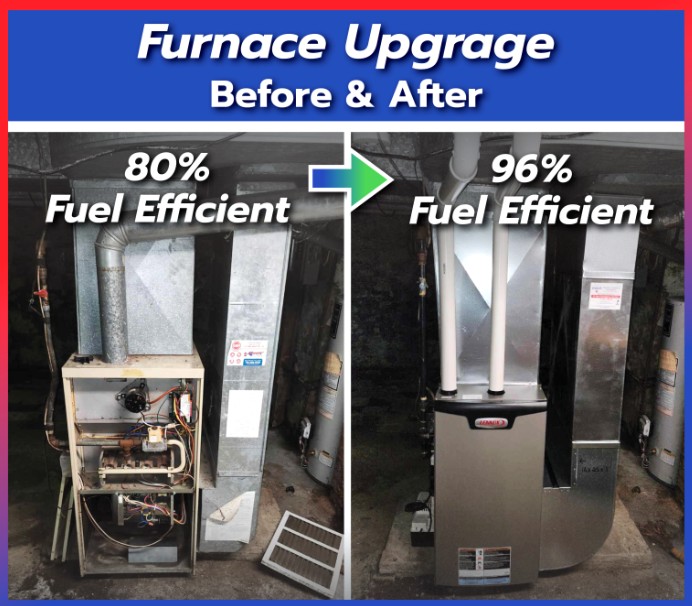
- Efficiency Ratings (AFUE): Always look for high Annual Fuel Utilization Efficiency (AFUE) ratings. Modern, ENERGY STAR® certified condensing boilers can achieve up to 98% efficiency, meaning more fuel is converted into useful heat, leading to lower heating costs over time.
- Fuel Source: Your choice is typically between a natural gas boiler, oil boiler, or electric boiler. Natural gas is often the most economical choice where available, while oil or propane may be necessary in rural areas.
- Budget vs. Savings: Balance the initial boiler installation cost with the long-term operational savings. A higher-efficiency unit may cost more upfront but will quickly recoup that investment through drastically reduced monthly bills.
Selecting the correct high-efficiency boiler ensures dependable, consistent comfort for years. Don’t leave this important choice to chance—rely on experts to guarantee a perfect fit.
Contact Vastola Heating & Cooling today for professional advice, precise sizing, and reliable boiler installation tailored to your home’s unique heating needs.