

When it’s time to replace or upgrade your home heating system, the choice often comes down to a boiler or a furnace. Both are highly effective at keeping your house warm, but they operate on fundamentally different principles. Understanding these differences is crucial for making the right long-term decision for your home’s energy bills and overall home comfort.
This guide breaks down the essential comparison between these two popular systems.
Understanding the Technology: How They Work
What is a Furnace? (Forced-Air Heating)
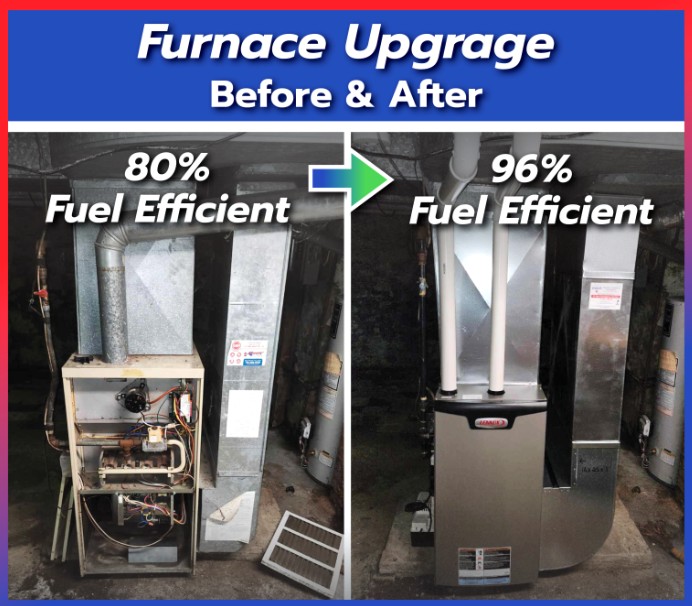
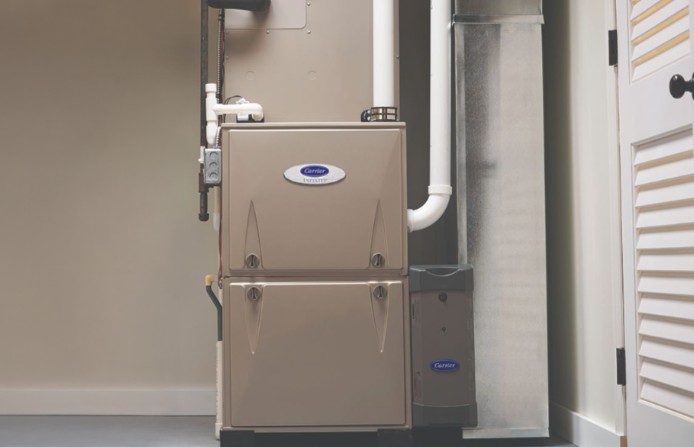
A furnace is a type of forced-air heating system. It works by heating air in a central unit and using a powerful blower to circulate that warm air through a network of ductwork and into your rooms.
- Heat Delivery: Provides quick, on-demand blasts of heat.
- Key Advantage: It uses the same ductwork as your central air conditioning system, making it ideal for HVAC integration and offering a lower upfront cost.
What is a Boiler? (Hydronic Heating)
A boiler uses fuel (like natural gas or oil) to heat water, creating either hot water or steam. This heated water is then distributed through sealed pipes to radiators, baseboard heaters, or radiant floor heating systems.
- Heat Delivery: Provides a gentle, consistent, and enveloping heat often referred to as hydronic heating.
- Key Advantage: Modern high-efficiency boilers are known for their quiet operation, long lifespan, and ability to provide very even, comfortable heat.
Making the Best Choice for Your Home
The right choice depends on your specific needs:
- Budget and Existing Setup: If your home already has ductwork and you prioritize a lower upfront cost, a high-efficiency natural gas furnace is likely the most economical solution.
- Comfort and Health: If you value consistent, draft-free heat, quiet operation, and are concerned about indoor air quality (due to allergies, for example), a boiler system is often the preferred choice.
- Long-Term Value: While the boiler installation cost is higher, its significantly longer lifespan can translate to a lower annual cost of ownership over two decades.
Choosing a new heating system is a major investment. Vastola Heating & Cooling is here to help you evaluate your home’s unique needs, assess your budget, and select the best home heating solution that guarantees comfort and efficiency for years to come.
Contact Vastola Heating & Cooling today for an expert consultation on your next heating system replacement or installation.