

When your air conditioner stops keeping your Buffalo home comfortable, start with simple and safe checks before assuming the system needs a major repair. Some of the most useful AC troubleshooting tips include checking the thermostat, inspecting the air filter, making sure supply and return vents are open, examining the outdoor unit for airflow restrictions, looking for condensate drainage problems, and checking whether a breaker has tripped. However, burning smells, refrigerant leaks, repeated electrical problems, loud mechanical noises, or a system that continues to fail after basic checks should be handled by a qualified HVAC technician.
Buffalo summers can place significant demand on home cooling systems, especially during stretches of warm and humid weather. A problem that first appears minor, such as weaker airflow or a slightly warmer room, can become more noticeable as outdoor temperatures climb. Therefore, knowing what homeowners can safely check and what should be left to a trained professional can help prevent unnecessary damage, improve comfort, and reduce the risk of an unexpected breakdown.
Vastola Heating & Cooling has served Western New York since 1946 and provides heating, cooling, electrical, and related home comfort services throughout the Buffalo region. The company provides air conditioning repair, maintenance, installation, and replacement services, making professional help available when a cooling problem goes beyond basic homeowner troubleshooting.
Common Signs Your Buffalo Home May Have an AC Problem
Air conditioning problems do not always start with a complete system shutdown. In many cases, homeowners notice smaller changes first. Recognizing those changes early can help you respond before your home becomes uncomfortable or a struggling component suffers additional wear.
Common warning signs include:
- Weak airflow coming from supply vents
- Air that feels warm or only slightly cool
- Frequent starting and stopping, also known as short cycling
- Unusual buzzing, grinding, rattling, squealing, or hissing sounds
- Water collecting around the indoor AC equipment
- Some rooms staying warmer than others
- Unexplained increases in electricity usage
- Ice or frost around refrigerant lines or the indoor coil
- Musty, burning, or unusual odors
- An outdoor unit that does not appear to run when cooling is requested
One isolated symptom does not always identify the exact problem. For example, poor airflow might come from a dirty filter, blocked return vent, blower problem, duct issue, or frozen evaporator coil. Likewise, warm air might result from an incorrect thermostat setting or a more serious refrigerant or compressor problem. That is why troubleshooting should follow a logical process rather than relying on guesswork.
Start With Safety Before Troubleshooting Your Air Conditioner
The best AC troubleshooting tips should help homeowners identify simple problems without creating new ones. Air conditioning systems contain electrical components, moving parts, pressurized refrigerant, and other equipment that should not be disassembled without proper training.
Before inspecting your system, keep the following safety limits in mind:
- Do not remove electrical panels or reach inside electrical compartments.
- Do not attempt to add, recover, or handle refrigerant yourself.
- Do not continue running the system if you smell burning or see smoke.
- Do not use sharp objects to remove ice from a frozen coil or refrigerant line.
- Do not repeatedly reset a breaker that continues to trip.
- Do not operate equipment that is making severe grinding, banging, or electrical buzzing sounds.
If something does not look safe, turn the air conditioner off and contact an HVAC professional. Vastola specifically recommends shutting the AC down when homeowners notice electrical problems, burning smells, or unusual noises that could indicate a condition capable of causing additional equipment damage.
Air Conditioner Replacement
If your current AC unit is old, inefficient, or frequently malfunctioning, it might be time for a replacement. Our experts will evaluate your system and recommend the best replacement options for your home and budget.
Air Conditioner Installation
Whether you’re installing an AC unit for the first time or adding a new system to an existing structure, we’ll help you select the right unit and install it with precision and care.
Air Conditioner Maintenance
Regular maintenance is crucial for keeping your AC running smoothly and efficiently. We offer comprehensive maintenance plans to ensure your system stays in top condition while maintaining a good standing with your units’ warranty requirements.
Air Conditioner Repair
Is your AC not cooling as it should? Our skilled technicians can diagnose and repair any issues on any AC system, getting your system back to optimal performance quickly.
24/7 Emergency Service
We offer 24/7 Emergency Services for when you need us most.
How to Troubleshoot Your AC Step by Step
Following a consistent process makes it easier to identify basic cooling problems. These AC troubleshooting tips can be completed without specialized HVAC gauges, electrical testing equipment, or refrigerant tools.
Step 1: Check Your Thermostat Settings
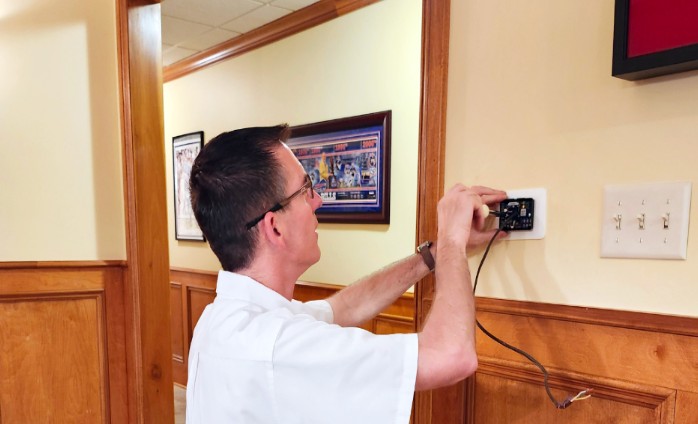
Begin with the simplest possibility. Make sure the thermostat is set to “Cool” and that the selected temperature is lower than the current indoor temperature.
Next, check whether the fan setting is on “Auto” rather than “On.” When the fan is constantly set to “On,” the blower may continue moving air even when the compressor is not cooling. As a result, the air coming from the vents can sometimes feel warmer. If the thermostat uses replaceable batteries, install fresh batteries when the display appears weak or blank. Also, make sure scheduled temperature changes have not accidentally overridden your preferred setting.
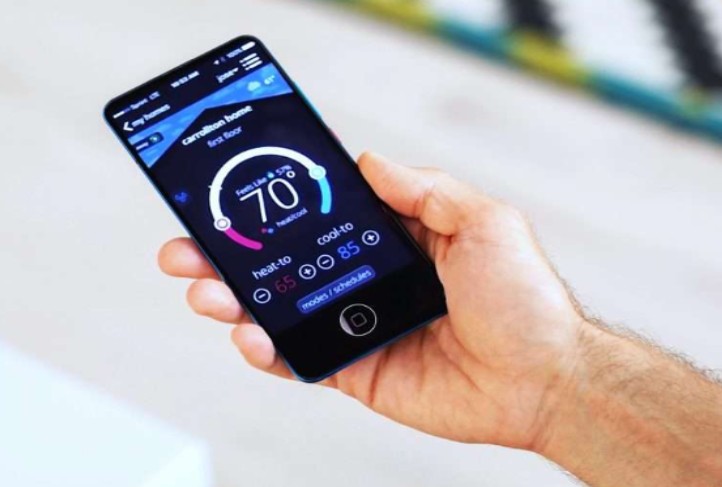
Smart thermostats may include additional schedules, geofencing settings, energy-saving programs, or vacation modes. Therefore, review those settings before assuming the air conditioner itself has failed.
Step 2: Inspect the Air Filter
A dirty air filter is one of the simplest problems to check, yet it can have a significant effect on airflow. When the filter becomes heavily clogged, the blower has more difficulty moving air through the system. Reduced airflow can make the home feel warmer. In severe situations, restricted airflow can contribute to evaporator coil freezing and increase strain on the equipment. ENERGY STAR advises homeowners to inspect filters regularly because dirty filters can reduce airflow, increase energy use, and contribute to equipment problems.
Remove the filter and check its condition. If it is visibly covered with dust and debris, replace it with the appropriate type and size recommended for your HVAC system. However, avoid automatically choosing the most restrictive filter available. A filter should provide appropriate filtration without creating excessive airflow resistance for the system.
Step 3: Check Supply and Return Vents
Walk through the home and inspect your supply registers and return vents. Make sure furniture, rugs, curtains, storage boxes, or other objects are not blocking them. Closing multiple supply vents in unused rooms may seem like an easy way to save energy. However, central HVAC systems are designed around specific airflow requirements. Closing too many vents can affect system pressure and may contribute to comfort problems. Return vents are especially important because the system needs enough return airflow to circulate conditioned air properly. Therefore, keep them clear and avoid placing large furniture directly against them.
If one room has consistently weak airflow while nearby rooms receive strong airflow, the issue could involve the ductwork, balancing, or another system condition that requires professional diagnosis.
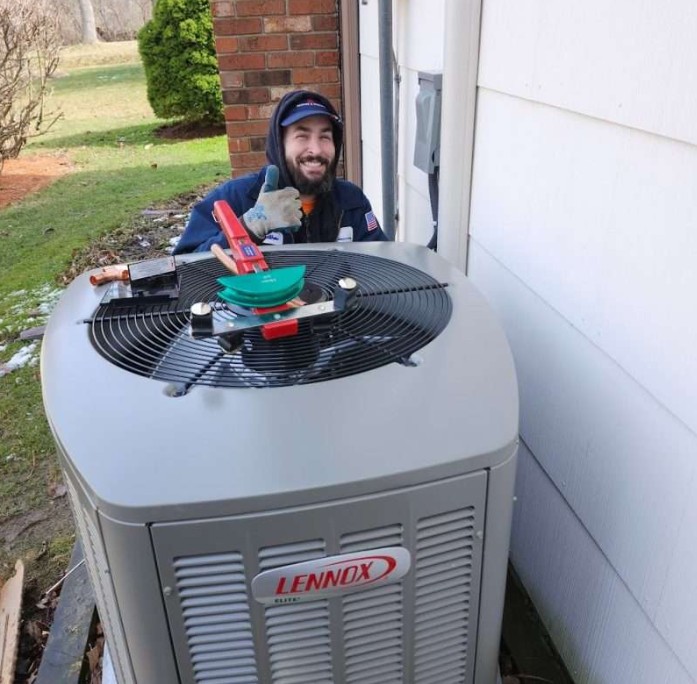
Step 4: Look at the Outdoor Condenser
Your outdoor AC unit needs open space around it so air can move through the condenser coil. Leaves, grass clippings, weeds, branches, and other debris can collect near the equipment. With the AC turned off, visually inspect the area around the unit. Remove loose debris surrounding the cabinet and trim back vegetation that is crowding the condenser.
However, homeowners should avoid disassembling the outdoor unit or bending the delicate condenser fins. Deep coil cleaning, electrical testing, fan repair, capacitor replacement, and other internal work should be completed by a qualified technician. Also, make sure the outdoor unit is actually operating when the thermostat is calling for cooling. If the indoor blower is running but the outdoor equipment is completely inactive, a professional inspection may be necessary.
Step 5: Look for Water Near the Indoor Unit
Air conditioners naturally remove moisture from indoor air. That moisture should collect and drain away through the condensate system. Therefore, a small amount of normal condensate drainage is expected. Water collecting around the furnace, air handler, or nearby floor is not. A blocked condensate drain can cause water to back up. Some systems also have safety switches that shut the cooling system down when the drain becomes clogged.
Vastola identifies the condensate drain as one of the areas homeowners can check when the AC stops working and water appears around the indoor equipment. If you can safely access the visible drain area without opening equipment panels, look for obvious water accumulation. However, persistent leaks, overflowing drain pans, inaccessible clogs, or water near electrical components should be evaluated professionally.
Step 6: Check the Circuit Breaker Once
If the air conditioner will not operate, check your home’s electrical panel to see whether the AC breaker has tripped. A breaker can occasionally trip. However, repeated tripping usually indicates that something needs attention.
You can reset a clearly identified tripped breaker once if there are no signs of an electrical problem. If it immediately trips again, leave it off and contact an HVAC professional. Repeatedly resetting the breaker without identifying the cause can create additional risk and may allow an electrical or mechanical problem to become worse.
Step 7: Observe How the System Operates
After completing the basic checks, turn the system on and watch how it behaves.
Listen to the startup. Then check several supply vents and compare airflow. Notice whether the air becomes cooler after the system has been operating for several minutes. Also, watch how long the system runs. If it starts, stops after a very short period, and then restarts repeatedly, it may be short cycling. These observations can be useful when speaking with an HVAC technician. Instead of simply saying that “the AC is not working,” you can explain exactly what the system is doing.
What to Check When Your AC Is Blowing Warm Air
Warm air coming from the vents is one of the most frustrating cooling problems because the system may appear to be operating normally. First, confirm that the thermostat is actually set to cooling mode. Next, check the filter and make sure airflow is not severely restricted.
Then inspect the outdoor condenser. If the indoor blower runs but the outdoor unit does not, the system may have an electrical, capacitor, contactor, compressor, or control problem. Another possibility is a refrigerant-related issue. A system with an inadequate refrigerant charge may struggle to absorb and move heat correctly. Refrigerant problems require professional diagnosis and should not be treated as a DIY repair.
Hissing noises, visible frost, frozen refrigerant lines, or noticeably reduced cooling can be warning signs that professional service is needed. Vastola also identifies hissing and frost around refrigerant lines as symptoms homeowners should take seriously when cooling performance has dropped.
AC Installation & Replacement Services
Beat the Summer Heat with Vastola’s Expert AC Services in Buffalo NY
When our WNY temperatures soar, having a reliable air conditioning system is essential. Keeping your home cool and comfortable is our top concern! At Vastola, we specialize in air conditioner installation and repair. We want to ensure your home remains cool and refreshing all summer long.
Why Your Air Conditioner May Have Weak Airflow
Weak airflow can make an AC system seem like it is not producing enough cooling, even when the air itself is cold. Start by inspecting the filter. Then make sure both supply and return vents are open and unobstructed. If airflow remains weak throughout the entire home, possible causes include a blower problem, dirty evaporator coil, frozen coil, airflow restriction, or duct system issue. However, if the problem mainly affects one area, the cause may be different. A disconnected, damaged, leaking, or poorly balanced duct can prevent enough conditioned air from reaching that part of the home.
Older Buffalo houses may also have duct layouts that were designed decades before modern cooling expectations. Therefore, recurring room-to-room comfort differences deserve more investigation than simply lowering the thermostat.
Why an Air Conditioner Starts and Stops Repeatedly
Short cycling occurs when an air conditioner turns on and shuts off more frequently than expected. An extremely dirty air filter can sometimes contribute to overheating or airflow-related problems. Thermostat placement can also affect cycling if the thermostat receives unusual heat from sunlight, lamps, appliances, or another nearby source.
However, short cycling can also be associated with electrical problems, refrigerant issues, frozen coils, oversized equipment, control failures, or other technical conditions. Frequent cycling should not be ignored. Every startup places demand on system components. Therefore, repeated short cycles can increase equipment wear while also preventing effective temperature and humidity control.
What Different AC Sounds May Mean
Air conditioners naturally produce sound when the blower, compressor, and condenser fan operate. However, a new or significantly louder sound deserves attention.
Different sounds can provide useful clues:
- Rattling: Loose panels, debris, worn components, or vibration may be involved.
- Squealing: A motor, bearing, belt, or another moving component may need inspection.
- Grinding: Shut the system down because a motor or mechanical component could be failing.
- Buzzing: Electrical components, the fan, or other equipment may require professional testing.
- Hissing: Refrigerant movement or a potential leak may need investigation.
- Banging or clanking: A loose or damaged mechanical component may be moving inside the system.
Do not remove panels to locate the sound yourself. Instead, switch the equipment off when the sound is severe and describe the noise to your HVAC technician.
Why Water May Be Collecting Around Your Indoor AC Equipment
Water around an indoor cooling system usually points toward the condensate management system or a freezing problem. During normal cooling, moisture forms on the cold evaporator coil. The water enters a drain pan and then moves through the condensate drain.
If that drain becomes clogged, water can back up. Likewise, a damaged drain pan or condensate pump can create leakage. A frozen evaporator coil can produce another problem. Once the ice melts, the amount of water may overwhelm the drainage system. If you see ice, turn cooling off rather than trying to chip it away. Changing the thermostat fan setting to circulate air may help the coil thaw in some situations, but the underlying reason for freezing still needs to be identified.
Why Your Cooling Bills May Be Increasing
A higher utility bill does not always mean something is wrong with the air conditioner. Weather conditions, thermostat settings, electricity rates, occupancy patterns, and appliance use can all affect monthly energy consumption. However, if your energy use increases significantly while your cooling habits remain similar, pay attention to the AC.
A clogged filter, dirty equipment, duct leakage, failing components, thermostat problems, or an aging system can force the equipment to operate longer to maintain the desired temperature. Compare energy use over similar weather periods rather than simply comparing one month to another. Also, consider whether the AC seems to run for much longer periods than it did previously. If cooling costs and comfort problems are increasing together, professional evaluation can help determine whether maintenance, repair, duct improvements, or replacement would provide the best long-term value.
AC Troubleshooting Comparison Guide
The following table can help Buffalo homeowners decide what they can safely inspect and when professional service makes more sense.
AC Problem | Safe Homeowner Check | Possible Cause | When to Call a Professional |
AC will not start | Thermostat, batteries, breaker | Thermostat, power, control or electrical problem | Breaker trips again or system remains off |
Warm air from vents | Thermostat, filter, outdoor unit | Airflow restriction, outdoor-unit problem, refrigerant issue | Air stays warm after basic checks |
Weak airflow | Filter and vent obstructions | Dirty filter, blower, duct or frozen coil issue | Airflow remains poor |
Short cycling | Filter and thermostat settings | Airflow, refrigerant, electrical or sizing problem | Cycling continues |
Water near indoor unit | Visible condensate area | Clogged drain, frozen coil, drain pan problem | Water continues or reaches electrical components |
Uneven cooling | Vents, filter and obstructions | Ductwork, balancing, insulation or sizing | Problem affects comfort consistently |
Strange sounds | Listen without opening equipment | Motor, electrical or mechanical failure | New grinding, banging, buzzing or hissing |
Frozen line or coil | Turn cooling off | Airflow or refrigerant problem | Professional diagnosis recommended |
Higher energy bills | Filter, thermostat and operating habits | Efficiency loss or equipment issue | Costs rise while comfort declines |
Contact Us Today
Don’t let the summer heat get the best of you! Contact Vastola today for all your air conditioning installation, and repair needs. Our friendly team is ready to answer your questions and provide a free, no-obligation estimate. Stay cool and comfortable with an air conditioning system you can rely on!
How Much Can AC Repairs Cost?
Air conditioner repair costs vary considerably. The failed component, equipment type, refrigerant, system age, warranty status, labor requirements, and whether emergency service is needed can all affect the final price.
As a general 2026 planning reference, HomeGuide reports average AC repair costs of roughly $150 to $650, although complex repairs can reach $650 to $2,500 or more. Angi similarly reports that HVAC repair prices vary widely based on the system and failed component. These are national estimates, not Vastola Heating & Cooling quotes or guaranteed Buffalo prices.
Service or Repair | General 2026 Cost Range | Important Note |
Diagnostic or AC service call | $75 to $200 | Actual local service fees vary |
AC tune-up | $70 to $200 | Scope of maintenance affects price |
Drain line cleaning | $75 to $200 | More complex drainage repairs may cost more |
Capacitor replacement | $100 to $250 | Depends on equipment and component |
Fan or blower motor work | $200 to $900 | Motor type and installation affect cost |
Refrigerant leak repair | $200 to $1,500 | Leak location and refrigerant type matter |
Compressor repair or replacement | $600 to $3,000+ | Often one of the more expensive AC repairs |
The table should be used only as a general budgeting guide. Since AC repair costs can vary based on the system, the issue, and the work required, the best way to understand the actual cost is to have your equipment professionally diagnosed. Vastola Heating & Cooling can inspect your air conditioning system, identify the cause of the problem, and recommend the most appropriate repair or replacement option for your Buffalo home.
When Should You Stop Troubleshooting and Call an HVAC Technician?
Knowing when not to continue troubleshooting is just as important as knowing what to check.
Stop DIY troubleshooting and arrange professional service when you notice:
- A burning or strong electrical smell
- Smoke or signs of overheating
- A breaker that repeatedly trips
- Grinding, banging, or severe buzzing noises
- Hissing combined with poor cooling
- Ice repeatedly forming on the refrigerant line or coil
- Significant water leakage
- A completely inactive outdoor unit
- Repeated short cycling
- Warm air that continues after basic checks
- Cooling problems that repeatedly return
- Exposed, damaged, or overheating electrical components
Problems involving refrigerant, internal electrical components, compressors, motors, capacitors, coils, or control boards require specialized knowledge and testing equipment. Attempting to repair those components without proper training can damage the equipment and create safety concerns.
Buffalo homeowners experiencing these issues can schedule an Air Conditioner Repair Service in Buffalo NY with Vastola Heating & Cooling. Their AC repair information specifically addresses issues including condensate drainage, refrigerant symptoms, unusual noises, and electrical concerns.
Why Choose Vastola Heating & Cooling
When your air conditioner is not keeping your Buffalo home comfortable, you need more than a quick fix. Vastola Heating & Cooling provides professional AC service backed by decades of experience serving Western New York homeowners. Our team takes the time to diagnose the actual cause of the problem, explain your options clearly, and recommend the right solution based on your system, comfort needs, and budget.
Whether you need a minor repair, ongoing maintenance, or help deciding if replacement makes more sense, Vastola Heating & Cooling can provide dependable guidance from start to finish. With local experience, responsive service, and a strong focus on long-term comfort, we help Buffalo homeowners make confident decisions about their cooling systems.
Choose Vastola Heating & Cooling when you want straightforward recommendations, professional workmanship, and reliable air conditioning service designed to keep your home cool and comfortable.
Conclusion
The most effective AC troubleshooting tips focus on simple observations rather than risky DIY repairs. Start by checking the thermostat, air filter, vents, outdoor equipment, condensate area, and breaker. Then observe airflow, temperature, sounds, cycling behavior, and any visible water or ice. These checks can sometimes reveal an easy problem and can also give an HVAC technician better information if professional service becomes necessary.
However, know where homeowner troubleshooting should stop. Refrigerant leaks, electrical failures, recurring breaker trips, frozen coils, severe noises, compressor problems, and persistent cooling issues require professional attention. Addressing these symptoms early can help protect the equipment from additional damage and restore reliable comfort sooner.
For Buffalo homeowners who want professional help diagnosing cooling problems, Vastola Heating & Cooling provides AC repair, maintenance, installation, and replacement services throughout Western New York. Whether your system needs a straightforward repair or you are deciding if aging equipment should be replaced, an experienced HVAC technician can evaluate the complete system instead of relying on guesswork.
Keep your Buffalo home comfortable this summer. Contact Vastola Heating & Cooling to schedule professional air conditioning service and get your cooling system back to reliable operation.